Books › Burmese Days

Burmese Days
576 pages
A sweltering, cynical portrait of moral decay and isolation at the twilight of an empire.
What it feels like
Reading this novel feels like sitting in a stifling, humid room where the air is thick with unspoken resentments and moral rot. The narrative moves at a steady, deliberate pace, mirroring the inescapable heat of the jungle and the suffocating social rituals of the European Club. It is a deeply cynical and claustrophobic experience, steeped in a melancholic dread as the protagonist wrestles with his own cowardice and the systemic cruelty of imperialism. The prose is sharp, unsparing, and vividly sensory, capturing both the lush beauty of the landscape and the ugly realities of colonial rule. It will deeply satisfy readers who gravitate toward bleak, atmospheric classics that offer scathing psychological and political critiques rather than comforting resolutions.
- Mood
- oppressive
- sweltering
- claustrophobic
- melancholic
- Tone
- cynical
- satirical
- bleak
- observant
- unsparing
- Pace
- steady
- Themes
- the rot of imperialism · social isolation · moral cowardice · systemic racism · illusion of superiority
- The writing
- Sharp, unsparing, and vividly descriptive, capturing the stifling heat and moral decay with journalistic precision.
- The arc
- A slow, suffocating descent from weary disillusionment into inescapable tragedy and despair.
- Who it's for
- Readers who appreciate scathing critiques of colonialism and atmospheric, character-driven tragedies.
Content notes
- racism and racial slurs
- colonial violence
- suicide
- animal cruelty
About the book
Burmese Days is set in 1920s imperial Burma, in the fictional district of Kyauktada. The story involves U Po Kyin, a corrupt Burmese magistrate, who works to destroy the reputation of the Indian Dr. Veraswami, so he (Kyin) can be admitted to the European Club instead of the more likely Dr. Veraswami. The Doctor's main protection is his friendship with John Flory who, as a pukka sahib (European white man), has higher prestige. U Po Kyin, however, succeeds and is admitted to the club. Racism and classism undergird the actions of the major characters. Kyin plans to redeem his life and cleanse his sins by financing pagodas. He dies of apoplexy before he can even start on building the first pagoda and his wife envisages him returning to life as a frog or rat. --modified slightly from www.wikipedia.com.
Description from Open Library.
Books like Burmese Days
See why they match Shooting an Elephant and other essaysGeorge OrwellAn unsparing, lucid exploration of power, hypocrisy, and the quiet tragedies of everyday life that leaves you deeply unsettled and intellectually awakened.
 A Passage to IndiaE. M. ForsterA masterclass in atmospheric tension that exposes the fragile, tragic limits of human connection under the shadow of empire.
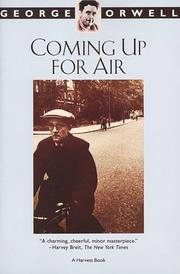 Coming Up for AirGeorge OrwellA wry, wistful plunge into the ache of nostalgia and the creeping dread of a rapidly modernizing world.
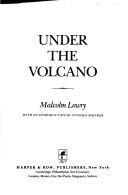 Under the VolcanoMalcolm LowryA feverish, hallucinatory descent into the mind of a man drinking himself to death under the shadow of looming mountains and impending war.
 The Glass PalaceAmitav GhoshA sweeping, multi-generational epic that pulls you into the lush, turbulent currents of a changing Southeast Asia.
 Arthur and GeorgeJulian BarnesA meticulously crafted Edwardian mystery that trades thriller pacing for a profound, quietly indignant exploration of prejudice and the nature of belief.