Books › Capitalist Realism
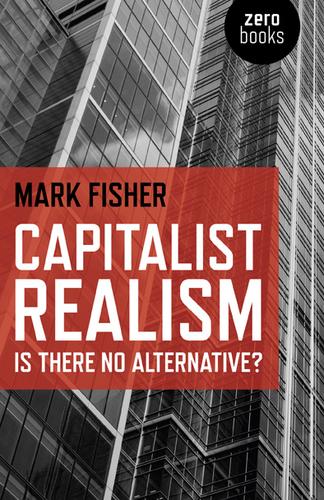
Capitalist Realism
Is There No Alternative?
218 pages
A sharp, claustrophobic diagnosis of the modern condition that articulates the exact shape of your everyday exhaustion.
What it feels like
Reading this book feels like finally putting on glasses after years of squinting through a fog. It is a brisk, urgent, and deeply melancholic text that names the invisible architecture of modern exhaustion. The mood is undeniably claustrophobic, offering a dread-soaked realization that the walls of our economic reality are painted to look like the horizon. Yet, despite its bleakness, the experience is intensely intellectually stimulating. The prose is sharp and lucid, effortlessly jumping from Kurt Cobain and Children of Men to Lacanian psychoanalysis without ever losing its propulsive rhythm. It is the perfect read for the disillusioned and the burnt-out, offering not a comforting escape, but the profound, validating relief of finally understanding the trap you are caught inside.
- Mood
- claustrophobic
- bleak
- intellectually stimulating
- haunting
- Tone
- urgent
- analytical
- melancholic
- incisive
- lucid
- Pace
- brisk
- Themes
- pervasive alienation · loss of the future · cultural stagnation · mental health under neoliberalism · commodification of everyday life
- The writing
- Sharp, accessible, and theoretically rigorous, seamlessly weaving pop culture references with heavy philosophical concepts.
- The arc
- Begins with a suffocating sense of entrapment within modern systems and builds toward a desperate, urgent search for cracks in the ideological wall.
- Who it's for
- Disillusioned workers, cultural critics, and anyone trying to put a name to the vague, pervasive exhaustion of modern life.
Content notes
- discussions of depression
- suicide
- systemic oppression
- mental illness
About the book
It is easier to imagine the end of the world than the end of capitalism. After 1989, capitalism has successfully presented itself as the only realistic political-economic system - a situation that the bank crisis of 2008, far from ending, actually compounded. The book analyses the development and principal features of this capitalist realism as a lived ideological framework. Using examples from politics, film (Children Of Men, Jason Bourne, Supernanny), fiction (Le Guin and Kafka), work and education, it argues that capitalist realism colours all areas of contemporary experience, is anything but realistic and asks how capitalism and its inconsistencies can be challenged. It is a sharp analysis of the post-ideological malaise that suggests that the economics and politics of free market neo-liberalism are givens rather than constructions.
Description from Open Library.
Books like Capitalist Realism
See why they match PostCapitalismPaul MasonAn urgent, visionary roadmap for building a more just society from the ashes of a failing economic system.
 First as tragedy, then as farceSlavoj ZizekA combative, take-no-prisoners philosophical autopsy of the twenty-first century's defining political and economic failures.
 The End of History and the Last ManFrancis FukuyamaA sweeping, mountaintop view of human civilization that leaves you wrestling with the quiet anxiety of what happens after we win the ideological war.
 CapitalismJames FulcherA concise, globe-trotting exploration of the economic engine that drives the modern world and the alternatives that challenge it.
 A Brief History of NeoliberalismDavid HarveyA sharp, illuminating autopsy of the economic ideology that reshaped the modern world and eroded the social contract.
 Fully Automated Luxury CommunismAaron BastaniA provocative, techno-optimistic manifesto that dares to imagine a post-scarcity future of boundless abundance and leisure.