Books › PostCapitalism

PostCapitalism
A Guide to our Future
371 pages
An urgent, visionary roadmap for building a more just society from the ashes of a failing economic system.
What it feels like
Reading this book feels like standing at the edge of a massive societal shift, watching an old world crumble while a new one takes shape. The narrative moves at a brisk, urgent pace, dissecting the failures of modern financial systems and the existential threats they face. Yet, the atmosphere is far from bleak; it is deeply infused with a visionary optimism. The prose is analytical and persuasive, guiding the reader through complex economic concepts and the transformative power of the digital revolution with clarity. It is an intellectually stimulating experience that shifts the mood from the anxiety of global crises to a hopeful anticipation of social justice. This is a perfect read for those who crave thoughtful, forward-looking explorations of how we might build a sustainable, equitable future.
- Mood
- intellectually stimulating
- forward-looking
- optimistic
- Tone
- analytical
- urgent
- hopeful
- visionary
- Pace
- brisk
- Themes
- systemic transformation · the future of work · digital revolution · social justice · economic sustainability
- The writing
- Clear, argumentative, and grounded in contemporary economic realities.
- The arc
- Moves from a stark assessment of systemic collapse to a hopeful, actionable vision for a sustainable future.
- Who it's for
- Readers fascinated by economic theory, digital culture, and the mechanics of systemic social change.
Content notes
- discussions of financial crises
- economic instability
About the book
Mason discusses the existential threat posed to capitalism by the digital revolution. He argues that the digital revolution has the potential to reshape utterly our familiar notions of work, production and value; and to destroy an economy based on markets and private ownership. In fact, he contends, this is already happening. He points to parallel currencies, co-operatives, self-managed online spaces, even Wikipedia as examples of what the postcapitalist future might look like. Mason argues that from the ashes of the global financial crisis, we have the chance to create a more socially just and sustainable global economy.
Description from Open Library.
Books like PostCapitalism
See why they match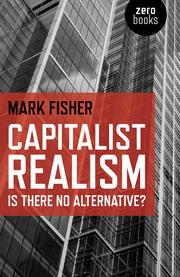 Capitalist RealismMark FisherA sharp, claustrophobic diagnosis of the modern condition that articulates the exact shape of your everyday exhaustion.
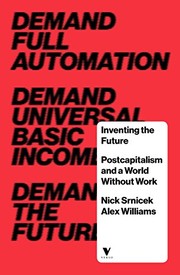 Inventing the FutureNick SrnicekA visionary, intellectually electric manifesto that dares to imagine a world where technology liberates humanity from the drudgery of wage labor.
 This Changes EverythingNaomi KleinA fiercely urgent wake-up call that transforms climate dread into a demand for radical systemic change.
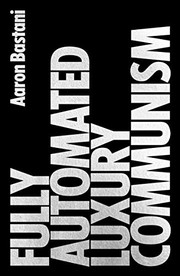 Fully Automated Luxury CommunismAaron BastaniA provocative, techno-optimistic manifesto that dares to imagine a post-scarcity future of boundless abundance and leisure.
 CapitalismJames FulcherA concise, globe-trotting exploration of the economic engine that drives the modern world and the alternatives that challenge it.
 CrashedAdam ToozeA sweeping, analytical journey through the shockwaves of financial collapse and the hidden forces shaping our modern world.