Books › Carmilla

Carmilla
First published 1971 · 246 pages
A fever dream of velvet shadows, creeping dread, and dangerous, intoxicating desire.
What it feels like
Reading this novella feels like slipping into a fever dream wrapped in heavy velvet. The pacing is leisurely and hypnotic, drawing you into an isolated, shadowy Austrian castle where the atmosphere is thick with unspoken desires and creeping dread. The prose is lush and confessional, capturing the intoxicating, almost narcotic pull of a dangerous obsession. It is less a story of outright terror and more an exploration of seductive, melancholic haunting, where the boundaries between nightmare and romance blur entirely. Readers who crave classic Gothic atmosphere, sapphic yearning, and the slow, suffocating tension of Victorian horror will find themselves completely absorbed by its eerie, lingering spell.
- Mood
- dreamlike
- seductive
- shadowy
- dread-soaked
- Tone
- intimate
- confessional
- melancholic
- eerie
- Pace
- leisurely
- Themes
- dangerous desires · female intimacy · the allure of the forbidden · isolation and vulnerability · repressed sexuality
- The writing
- Lush, atmospheric, and slightly archaic, dripping with Victorian Gothic sensuality and creeping dread.
- The arc
- Moves from lonely, naive curiosity into a seductive, feverish obsession, culminating in a lingering, melancholic haunting.
- Who it's for
- Fans of classic Gothic literature and sapphic yearning who prefer creeping psychological dread over visceral horror.
Content notes
- predatory behavior
- illness and wasting away
- blood
- death
About the book
First published as a serial in The Dark Blue (1871–72), Carmilla is narrated by a young woman preyed upon by a female vampire named Carmilla, later revealed to be Mircalla, Countess Karnstein (Carmilla is an anagram of Mircalla). The character is a prototypical example of the lesbian vampire, expressing romantic desires toward the protagonist. The novella notably never acknowledges homosexuality as an antagonistic trait, leaving it subtle and morally ambiguous. The story is often anthologised, and has been adapted many times in film and other media.
Description from Open Library.
Books like Carmilla
See why they match In a glass darklyJoseph Sheridan Le FanuA masterclass in creeping Victorian dread where the line between supernatural haunting and psychological collapse is terrifyingly blurred.
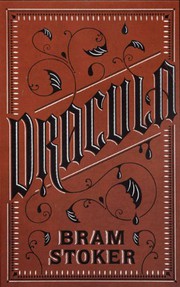 DraculaBram StokerA creeping, epistolary descent into gothic dread where modern rationality battles an ancient, seductive evil.
 The VampyreJohn William PolidoriA chilling descent into high-society darkness where aristocratic charm masks a predatory, inescapable evil.
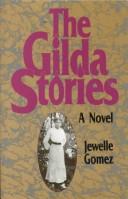 The Gilda StoriesJewelle GomezA sweeping, sensual journey through time that reimagines the vampire mythos as a profound exploration of Black queer survival and found family.
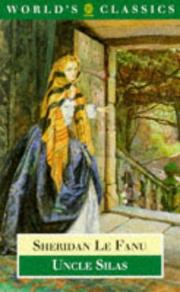 Uncle SilasJoseph Le FanuA masterclass in creeping Victorian dread where every shadow hides a secret and trust is a fatal mistake.
 Let the right one inJohn Ajvide LindqvistA freezing, blood-soaked meditation on the brutal loneliness of childhood and the terrifying lengths we go to for connection.