Books › Currency wars

Currency wars
288 pages
An urgent, high-stakes exploration of the hidden financial battles threatening the stability of the global economy.
What it feels like
Reading this book feels like sitting in on a highly classified, deeply unsettling national security briefing. It moves with a propulsive, urgent energy, translating the often-opaque world of foreign exchange and macroeconomic policy into a tense geopolitical thriller. The atmosphere is heavy with foreboding as the narrative connects historical financial collapses to modern-day headlines, building a sobering case for an overdue global crisis. The prose is authoritative and direct, stripping away economic jargon to expose the raw vulnerabilities of the U.S. dollar and international markets. It is a deeply cautionary experience, designed to grip readers who are fascinated by the intersection of global finance, national security, and the hidden forces shaping our economic future.
- Mood
- tense
- foreboding
- ominous
- Tone
- urgent
- cautionary
- analytical
- serious
- Pace
- propulsive
- Themes
- economic instability · geopolitical conflict · financial vulnerability · impending crisis
- The writing
- Authoritative and direct, translating complex macroeconomic maneuvers into high-stakes geopolitical drama.
- The arc
- Begins with a sobering look at historical financial failures and builds into a tense, urgent warning about an overdue global economic collapse.
- Who it's for
- Readers who devour sobering analyses of global markets, international relations, and impending financial crises.
Content notes
- economic anxiety
- financial collapse
- geopolitical tension
About the book
In 1971, President Nixon imposed national price controls and took the United States off the gold standard, an extreme measure intended to end an ongoing currency war that had destroyed faith in the U.S. dollar. Today we are engaged in a new currency war, and this time the consequences will be far worse than those that confronted Nixon.
Currency wars are one of the most destructive and feared outcomes in international economics. At best, they offer the sorry spectacle of countries' stealing growth from their trading partners. At worst, they degenerate into sequential bouts of inflation, recession, retaliation, and sometimes actual violence. Left unchecked, the next currency war could lead to a crisis worse than the panic of 2008.
Currency wars have happened before-twice in the last century alone-and they always end badly. Time and again, paper currencies have collapsed, assets have been frozen, gold has been confiscated, and capital controls have been imposed. And the next crash is overdue. Recent headlines about the debasement of the dollar, bailouts in Greece and Ireland, and Chinese currency manipulation are all indicators of the growing conflict.
As James Rickards argues in Currency Wars, this is more than just a concern for economists and investors. The United States is facing serious threats to its national security, from clandestine gold purchases by China to the hidden agendas of sovereign wealth funds. Greater than any single threat is the very real danger of the collapse of the dollar itself.
Baffling to many observers is the rank failure of economists to foresee or prevent the economic catastrophes of recent years. Not only have their theories failed to prevent calamity, they are making the currency wars worse. The U. S. Federal Reserve has engaged in the greatest gamble in the history of finance, a sustained effort to stimulate the economy by printing money on a trillion-dollar scale. Its solutions present hidden new dangers while resolving none of the current dilemmas.
Description from Open Library.
Books like Currency wars
See why they match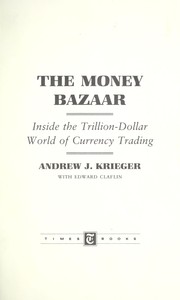 The money bazaarAndrew J. KriegerAn eye-opening plunge into the volatile, unregulated, and high-speed world of global currency trading.
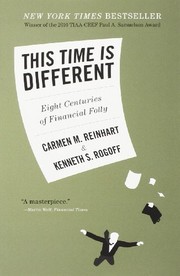 This time is differentCarmen M. ReinhartA sweeping, data-rich reality check that proves financial hubris is humanity's oldest repeating loop.
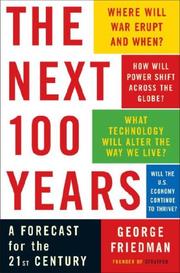 The Next 100 YearsGeorge FriedmanA sweeping, provocative thought experiment that treats the future of global power as a grand, predictable chessboard.
 The little book of currency tradingKathy LienA pragmatic and accessible guide that demystifies the mechanics of global currency markets.
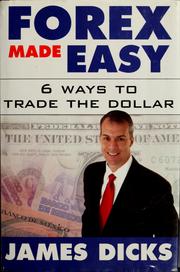 Forex made easyJames DicksAn empowering, no-nonsense roadmap that transforms the intimidating world of currency trading into an accessible strategy for the everyday investor.
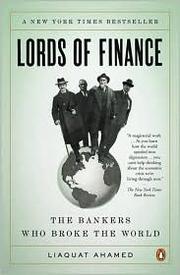 Lords of financeLiaquat AhamedA slow-motion trainwreck of historical hubris, where the quirks of four men bring the global economy to its knees.