Books › Lords of finance

Lords of finance
the bankers who broke the world
First published 2009 · 564 pages
A slow-motion trainwreck of historical hubris, where the quirks of four men bring the global economy to its knees.
What it feels like
Reading this book feels like watching a slow-motion trainwreck from a first-class carriage. It is a masterclass in narrative history that takes the dry, abstract world of central banking and turns it into a gripping psychological drama. The mood is steeped in looming dread; you know the Great Depression is coming, but the fascination lies in watching brilliant, deeply flawed men confidently pave the way to disaster. The prose is remarkably lucid, effortlessly translating complex monetary policy into accessible, character-driven storytelling. It is a steady, absorbing read that balances the opulence of the Roaring Twenties with the fragile, house-of-cards reality beneath it. This will delight history buffs and finance nerds who love exploring how human ego and blind spots shape the modern world.
- Mood
- looming dread
- tense
- fragile
- opulent
- Tone
- authoritative
- analytical
- engaging
- ironic
- character-driven
- Pace
- steady
- Themes
- hubris of power · unintended consequences · fragility of global systems · human flaws shaping history · the illusion of control
- The writing
- Lucid and elegant, transforming dense macroeconomic theory into compelling, character-rich narrative.
- The arc
- Transitions from the hopeful reconstruction of a shattered world to the agonizing, slow-motion realization of inevitable collapse.
- Who it's for
- Readers who crave narrative history that explains massive global events through the psychological quirks and blind spots of the people in charge.
Content notes
- economic ruin
- historical warfare
- antisemitism (historical context)
About the book
With penetrating insights for today, this vital history of the world economic collapse of the late 1920s offers unforgettable portraits of the four men whose personal and professional actions as heads of their respective central banks changed the course of the twentieth centuryIt is commonly believed that the Great Depression that began in 1929 resulted from a confluence of events beyond any one person's or government's control. In fact, as Liaquat Ahamed reveals, it was the decisions taken by a small number of central bankers that were the primary cause of the economic meltdown, the effects of which set the stage for World War II and reverberated for decades.In Lords of Finance, we meet the neurotic and enigmatic Montagu Norman of the Bank of England, the xenophobic and suspicious Emile Moreau of the Banque de France, the arrogant yet brilliant Hjalmar Schacht of the Reichsbank, and Benjamin Strong of the Federal Reserve Bank of New York, whose facade of energy and drive masked a deeply wounded and overburdened man. After the First World War, these central bankers attempted to reconstruct the world of international finance. Despite their differences, they were united by a common fear—that the greatest threat to capitalism was inflation— and by a common vision that the solution was to turn back the clock and return the world to the gold standard.For a brief period in the mid-1920s they appeared to have succeeded. The world's currencies were stabilized and capital began flowing freely across the globe. But beneath the veneer of boom-town prosperity, cracks started to appear in the financial system. The gold standard that all had believed would provide an umbrella of stability proved to be a straitjacket, and the world economy began that terrible downward spiral known as the Great Depression.As yet another period of economic turmoil makes headlines today, the Great Depression and the year 1929 remain the benchmark for true financial mayhem. Offering a new understanding of the global nature of financial crises, Lords of Finance is a potent reminder of the enormous impact that the decisions of central bankers can have, of their fallibility, and of the terrible human consequences that can result when they are wrong.
Description from Open Library.
Books like Lords of finance
See why they match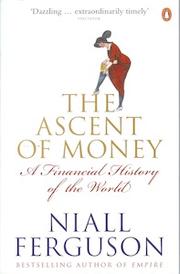 The ascent of moneyNiall FergusonAn expansive, eye-opening journey that reveals the invisible financial scaffolding holding up human history.
 Too Big to FailAndrew Ross SorkinA breathless, fly-on-the-wall thriller that traps you inside the panic-stricken boardrooms where the global economy teetered on the brink of collapse.
 CrashedAdam ToozeA sweeping, analytical journey through the shockwaves of financial collapse and the hidden forces shaping our modern world.
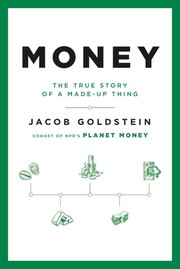 MoneyJacob Goldstein (Cohost of Planet Money podcast)A witty, globe-trotting tour through the collective hallucination that makes the modern world go round.
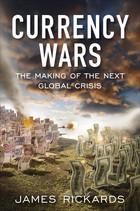 Currency warsJames RickardsAn urgent, high-stakes exploration of the hidden financial battles threatening the stability of the global economy.
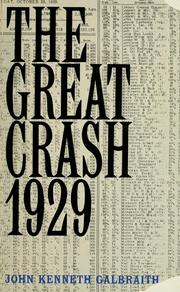 The great crash, 1929John Kenneth GalbraithA razor-sharp, wryly observant autopsy of financial hubris that reads less like a textbook and more like a tragicomedy of human greed.