Books › De rerum natura

De rerum natura
First published 1962 · 1785 pages
A majestic, poetic dismantling of existential dread that finds profound serenity in the atomic nature of the universe.
What it feels like
Reading this ancient masterpiece feels like standing under a vast, starry sky with a brilliant, passionate guide who is determined to free you from your deepest fears. The pace is steady and deliberate, carrying you through a sweeping exploration of the physical world—from the invisible dance of atoms to the roaring phenomena of thunderstorms. The mood is profoundly contemplative and ultimately serene, replacing the dread of mortality and angry gods with a sublime awe for the natural order. Its majestic, imagery-rich verses blend rigorous logic with breathtaking poetry. It is a deeply comforting, intellectually expansive experience, perfect for readers who seek spiritual tranquility not in myth, but in the beautiful, rational mechanics of the cosmos.
- Mood
- contemplative
- expansive
- serene
- sublime
- Tone
- didactic
- passionate
- earnest
- awe-struck
- rational
- Pace
- steady
- Themes
- the fear of death · finding peace in nature · the atomic universe · rationalism vs superstition · the sublime beauty of science
- The writing
- Majestic and sweeping, blending rigorous logical argumentation with breathtakingly vivid natural imagery.
- The arc
- Begins by confronting the deep anxieties of mortality and superstition, gradually guiding the reader toward a profound, serene acceptance of the universe's natural order.
- Who it's for
- Philosophically minded readers who seek spiritual comfort in rationalism and love seeing the physical world described with poetic reverence.
Content notes
- existential dread
- discussions of death
- descriptions of plague
About the book
This is regarded as a seminal text of Epicurean science and philosophy. Epicurians discarded both the idea of immortality and the superstitious worship of wilful gods for a life of serene contentment in the available pleasures of nature. Lucretius (c100-c55BC), in elucidating this belief, steers the reader through an extraordinary breadth of subject matter, ranging from the indestructibility of atoms and the discovery of fire to the folly of romantic love and the phenomena of clouds and rainstorms.
Description from Open Library.
Books like De rerum natura
See why they match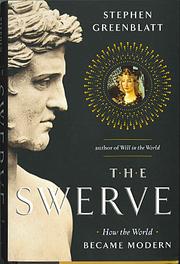 The swerveStephen GreenblattAn intellectual treasure hunt that makes the rediscovery of a single ancient poem feel like a high-stakes thriller.
 CatullusGaius Valerius CatullusA studious and deeply analytical journey into the passionate heart of ancient Roman love poetry.
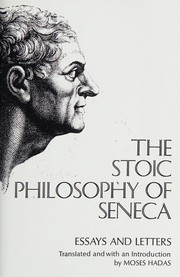 The stoic philosophy of SenecaSeneca the YoungerA timeless, conversational masterclass in finding inner stillness amidst the chaos of the external world.
 The discourses of EpictetusEpictetusA bracing splash of cold water for the soul, offering a timeless manual for finding unshakeable peace in a chaotic world.
 SatiræPersiusAn uncensored, poetic revival of ancient satire that restores the provocative edge lost to Victorian sensibilities.
 De civitate DeiAugustineA sweeping, foundational journey through early Christian theology that transforms a defense against historical blame into a monumental synthesis of faith and philosophy.