Books › Die Ermittlung

Die Ermittlung
Oratorium in elf Gesängen
First published 1965 · 313 pages
A stark, rhythmic descent into the machinery of genocide that forces the reader to bear unflinching witness.
What it feels like
Reading this play feels less like reading a traditional drama and more like sitting in a stark, echoing room where the ghosts of history are speaking directly to you. The pace is steady and relentless, building an oppressive, harrowing atmosphere through the sheer accumulation of clinical, unadorned testimony. Stripped of theatrical artifice, the language is arranged into a chilling free-verse oratorio that emphasizes the bureaucratic banality of profound evil. There is no catharsis here, only a heavy, necessary confrontation with collective guilt and the limits of human justice. It is an essential, devastating experience for readers who value unflinching documentary literature and those who believe in the moral imperative of bearing witness to the darkest chapters of human history.
- Mood
- oppressive
- harrowing
- stark
- somber
- Tone
- clinical
- unsparing
- objective
- chilling
- Pace
- steady
- Themes
- the banality of evil · collective guilt · memory and testimony · systemic atrocity · limits of justice
- The writing
- Stripped-down, rhythmic, and starkly unadorned, the text arranges actual historical testimony into a haunting free-verse oratorio.
- The arc
- A relentless descent into the darkest depths of human cruelty that offers no catharsis, only a chilling confrontation with historical reality.
- Who it's for
- Readers seeking profound, unflinching documentary literature and those interested in the ethics of historical memory will find this essential.
Content notes
- Holocaust atrocities
- genocide
- extreme violence
- torture
- antisemitism
- trauma
About the book
The Investigation is Weiss' ruthless documentary drama of the Frankfurt Auschwitz trials, which he attended. These proceedings, held in 1963-5, are not to be confused with the Nürnberg trials held right after the war. In Frankfurt it was the German government itself that held the war-crimes trial, focussing on the crimes perpetrated at Auschwitz.
Using the actual testimony of survivors from Auschwitz, testifying as witnesses against those who exploited them and others, Weiss creates a riveting drama. The drama is based on the trial, but Weiss insists that it should not be staged as a courtroom-docudrama.
Description from Open Library.
Books like Die Ermittlung
See why they match Kommandant in AuschwitzRudolph HossA chillingly detached, bureaucratic descent into the mind of a mass murderer that exposes the terrifying banality of evil.
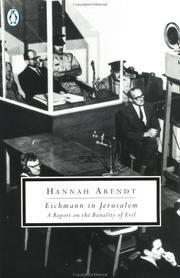 Eichmann in JerusalemHannah ArendtA chilling, intellectually rigorous dissection of how ordinary bureaucracy facilitates unimaginable atrocities.
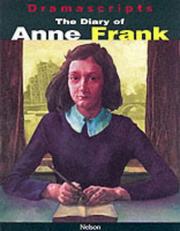 The Diary of Anne FrankFrances Goodrich and Albert HackettAn intimate, heartbreaking window into adolescence unfolding within the claustrophobic shadow of history's darkest hour.
 Schindler's listTrinity Press InternationalA harrowing yet deeply moving exploration of how profound moral courage can emerge from the most unlikely of places amidst unimaginable darkness.
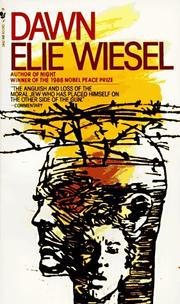 DawnElie WieselA claustrophobic, nocturnal meditation on the moral cost of survival and the heavy ghosts of the past.
 Der ProceßFranz KafkaA suffocating descent into a bureaucratic labyrinth where logic is a weapon and guilt is assumed.