Books › Die protestantische Ethik und der Geist des Kapitalismus

Die protestantische Ethik und der Geist des Kapitalismus
First published 1930 · 564 pages
A methodical, intellectually rigorous excavation of how religious anxiety accidentally built the modern capitalist machine.
What it feels like
Reading this foundational text feels like stepping into a grand, austere lecture hall where the hidden wiring of the modern world is slowly exposed. The pace is steady and methodical, demanding your full intellectual engagement as it traces the surprising lineage between Calvinist religious anxiety and the relentless grind of modern capitalism. The mood is deeply contemplative, shifting from dry historical analysis to a profoundly somber reflection on the 'iron cage' of rationalized society. The prose is dense and scholarly, yet it rewards the patient reader with striking moments of clarity and enduring metaphors. It is a deeply satisfying, paradigm-shifting read for anyone who delights in uncovering the invisible cultural forces that shape our daily lives and economic realities.
- Mood
- intellectual
- austere
- contemplative
- somber
- Tone
- analytical
- scholarly
- serious
- probing
- objective
- Pace
- steady
- Themes
- the moralization of labor · religious asceticism · the roots of modernity · rationalization of society · the iron cage of capitalism
- The writing
- Dense, methodical, and heavily structured, punctuated by striking, enduring metaphors that crystallize complex sociological concepts.
- The arc
- Begins as a curious historical investigation and slowly builds to a sobering, monumental realization about the inescapable structures of modern life.
- Who it's for
- Intellectual explorers and students of history who love tracing the hidden cultural and religious roots of the modern world.
Content notes
- discussions of religious dogmatism
- class inequality
About the book
In The Protestant Ethic, Max Weber opposes the Marxist concept of dialectical materialism and relates the rise of the capitalist economy to the Calvinist belief in the moral value of hard work and the fulfillment of one's worldly duties. Based on the original 1905 edition, this volume includes, along with Weber's treatise, an illuminating introduction, a wealth of explanatory notes, and exemplary responses and remarks-both from Weber and his critics-sparked by publication of The Protestant Ethic and the Spirit of Capitalism. This is the first English translation of the 1905 German text and the first volume to include Weber's unexpurgated responses to his critics, which reveal important developments in and clarifications of Weber's argument.
Description from Open Library.
Books like Die protestantische Ethik und der Geist des Kapitalismus
See why they match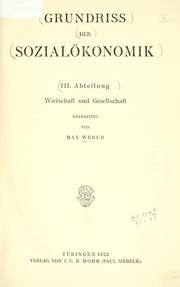 Wirtschaft und GesellschaftMax WeberA monumental, intellectually demanding architecture of thought that maps the invisible forces governing human society and modern bureaucracy.
 Das KapitalKarl MarxA dense, monumental dissection of the capitalist machine that rewards patient readers with flashes of biting sarcasm and revolutionary fury.
 The CraftsmanRichard SennettA contemplative and deeply grounding exploration of the profound human need to do a job well for its own sake.
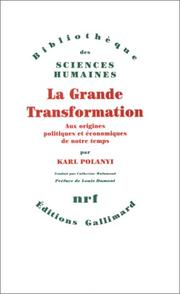 The Great TransformationKarl PolanyiA sweeping, intellectually rigorous dismantling of the free-market myth that fundamentally changes how you view the relationship between society and the economy.
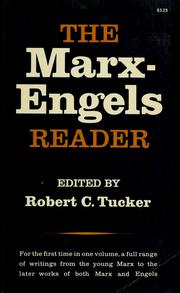 The Marx-Engels readerRobert C. TuckerA dense, fiery plunge into the foundational texts of systemic critique and revolutionary thought.
 The Wealth of NationsAdam SmithA monumental, methodical journey into the philosophical roots of commerce, labor, and human ambition.