Books › The Wealth of Nations

The Wealth of Nations
40425 pages
A monumental, methodical journey into the philosophical roots of commerce, labor, and human ambition.
What it feels like
Reading this foundational text feels like sitting in a wood-paneled study with a brilliant, endlessly observant polymath. The pace is decidedly steady, demanding patience as the narrative winds through exhaustive historical examples, from the price of silver to the mechanics of a pin factory. Yet, beneath the dense eighteenth-century syntax lies a surprisingly conversational and pragmatic tone. The mood is deeply intellectual and expansive, inviting you to look at the everyday exchanges of bakers and butchers through a lens of profound systemic wonder. It is less a dry textbook and more a sweeping philosophical inquiry into human nature and societal progress. This is a deeply rewarding experience for patient readers eager to understand the invisible forces that built the modern world.
- Mood
- intellectual
- contemplative
- grounded
- expansive
- Tone
- analytical
- authoritative
- observant
- pragmatic
- philosophical
- Pace
- steady
- Themes
- mechanics of prosperity · human nature and self-interest · division of labor · societal progress · the invisible hand
- The writing
- Methodical and dense, featuring elaborate eighteenth-century syntax, exhaustive historical examples, and a surprisingly conversational voice.
- The arc
- Begins with a grounded curiosity about daily human exchange and expands into a sweeping realization of how systemic forces shape global prosperity.
- Who it's for
- Patient intellectuals, history enthusiasts, and armchair economists eager to trace the philosophical bedrock of modern capitalism.
Content notes
- discussions of colonialism
- historical labor conditions
- references to slavery
About the book
Adam Smith's The Wealth of Nations was recognized as a landmark of human thought upon its publication in 1776. As the first scientific argument for the principles of political economy, it is the point of departure for all subsequent economic thought. Smith's theories of capital accumulation, growth, and secular change, among others, continue to be influential in modern economics. This reprint of Edwin Cannan's definitive 1904 edition of The Wealth of Nations includes Cannan's famous introduction, notes, and a full index, as well as a new preface written especially for this edition by the distinguished economist George J. Stigler. Mr. Stigler's preface will be of value for anyone wishing to see the contemporary relevance of Adam Smith's thought.
Description from Open Library.
Books like The Wealth of Nations
See why they match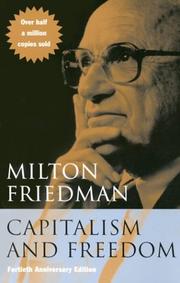 Capitalism and freedomMilton FriedmanA rigorous, uncompromising intellectual exercise that challenges the reader to rethink the relationship between the state and the individual.
 Das KapitalKarl MarxA dense, monumental dissection of the capitalist machine that rewards patient readers with flashes of biting sarcasm and revolutionary fury.
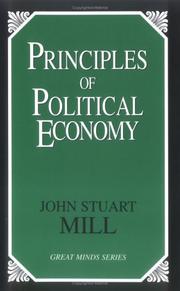 Principles of Political EconomyJohn Stuart MillA rigorous, foundational exploration of how wealth, trade, and social philosophy intersect in a changing world.
 The theory of moral sentimentsAdam SmithA foundational exploration of how human sympathy and the impartial spectator guide our moral compass.
 Le capital au XXIe siècleThomas PikettyA monumental, data-driven reckoning with the historical forces that concentrate wealth and power.
 Basic economicsThomas SowellA masterclass in stripping away political rhetoric to reveal the hidden, often counterintuitive gears that drive human societies.