Books › Emotional Design

Emotional Design
Why we Love (or Hate) Everyday Things
First published 2005 · 279 pages
A fascinating lens that permanently alters how you look at the objects surrounding you, revealing the hidden emotional conversations between humans and things.
What it feels like
Reading this book feels like putting on a new pair of glasses that suddenly brings the mundane world into sharp, colorful focus. The pace is steady and conversational, guiding you through the psychology of why a sleek teapot makes the tea taste better or why a washed car seems to drive smoother. It is an intellectually satisfying and surprisingly joyful experience, replacing everyday frustrations with deep curiosity. The prose is clear and grounded in relatable examples, making complex cognitive science feel like a friendly, eye-opening chat. It will thoroughly delight the observant tinkerer, the empathetic designer, and anyone who has ever felt an irrational attachment to a well-crafted tool, leaving you with a lingering sense of wonder at the designed environment.
- Mood
- intellectual
- observant
- eye-opening
- Tone
- curious
- analytical
- accessible
- enthusiastic
- Pace
- steady
- Themes
- psychology of aesthetics · human-object connection · the hidden joy of everyday things · cognitive processing of beauty
- The writing
- Clear, conversational, and illustrative, blending scientific explanation with relatable anecdotes.
- The arc
- Moves from taking everyday objects for granted to a profound appreciation of the invisible emotional bonds we share with the designed world.
- Who it's for
- Designers, psychologists, and curious minds who want to understand why they love their favorite teapot or hate their complex microwave.
About the book
"Did you ever wonder why cheap wine tastes better in fancy glasses? Or why washing and polishing your car seems to make it drive better? New research has shown that attractive things really do work better." "In the last decade, the design community has made products easier to use, largely due to Donald Norman's The Design of Everyday Things. But as he demonstrates in this book, we don't just use a product, we become emotionally involved with it. Emotional Design demonstrates for the first time the profound influence of this deceptively simple idea." "Don Norman draws on a wealth of examples and the very latest scientific insights in this exploration of the emotional impacts of objects in our everyday world. His The Design of Everyday Things showed why the products we use should not be confusing, irritating, and frustrating. Emotional Design explains why they must also be attractive, pleasurable, and fun."--Jacket.
Description from Open Library.
Books like Emotional Design
See why they match The Psychology of Everyday ThingsDonald A. NormanAn empowering lens shift that transforms daily frustrations with objects into a fascinating exploration of human psychology.
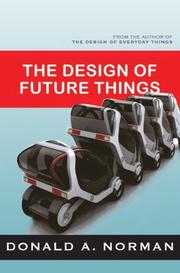 The Design of Future ThingsDon NormanA fascinating, consumer-oriented exploration of how we interact with the increasingly intelligent machines that populate our daily lives.
 Things That Make Us SmartDon NormanA fascinating, accessible exploration of how the tools we build end up shaping the way we think.
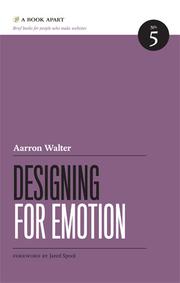 Designing For EmotionAarron WalterA warm, practical manifesto for injecting humanity and delight into the cold spaces of the digital world.
 100 things every designer needs to know about peopleSusan WeinschenkA brisk, bite-sized masterclass in the psychological quirks that drive human behavior and interaction.
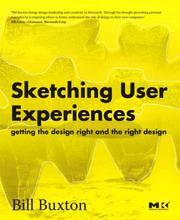 Sketching User ExperiencesBill BuxtonAn engaging, holistic exploration of how early ideation and sketching can shape the future of human-computer interaction.