Books › Encyclopedia of vernacular architecture of the world
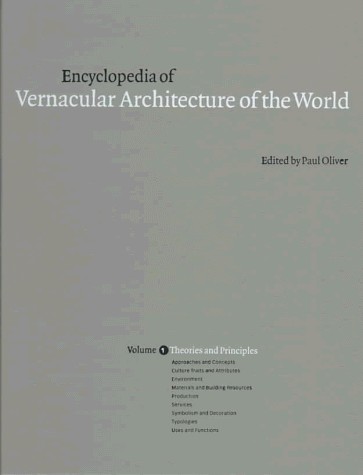
Encyclopedia of vernacular architecture of the world
2500 pages
A monumental, globe-spanning tribute to the ingenuity of everyday human shelter and traditional building practices.
What it feels like
Reading this monumental reference work feels less like studying and more like embarking on a slow, deliberate journey across the globe. The mood is deeply grounded and expansive, inviting readers to lose themselves in the intricate details of how humanity has historically sheltered itself. Its prose is scholarly and precise, meticulously cataloging the intersection of environment, culture, and craftsmanship without unnecessary flourish. You do not read this cover-to-cover; rather, you wander through its volumes, pausing to marvel at line drawings and photographs that reveal the profound ingenuity of indigenous and folk builders. It is a treasure trove for architects, anthropologists, and anyone captivated by the quiet, enduring beauty of traditional human habitats and the timeless ways we build our worlds.
- Mood
- grounded
- expansive
- contemplative
- Tone
- authoritative
- academic
- respectful
- objective
- Pace
- leisurely
- Themes
- human ingenuity · cultural heritage · adaptation to environment · traditional craftsmanship · global diversity
- The writing
- Clear, scholarly, and meticulously detailed, prioritizing clarity and factual density over stylistic flourish.
- The arc
- A journey from broad curiosity about global dwellings to a profound appreciation for human adaptability and cultural expression.
- Who it's for
- Architecture students, anthropologists, and curious minds fascinated by how everyday people build their worlds.
About the book
Divided into three volumes, the Encyclopedia of Vernacular Architecture is a basic resource for this new area of study. As stated in Oliver's introduction "Vernacular architecture is now the term most widely used to denote indigenous, tribal, folk, peasant, and traditional architecture." Volume 1 discusses broad concepts such as 'typologies', 'symbolism and decoration', 'environment' and 'materials and building resources'. Volumes 2 and 3 survey vernacular architecture worldwide, arranged by continent followed by region. Both secular and sacred structures are included in this encyclopedia.The structures and building methods discussed are considered within their particular social and environmental context, disregarding political divisions where appropriate. This encyclopedia also provides line drawings, photographs and some architectural plans. [BQP 2/7/02; MJR 2/12/02].
Description from Open Library.
Books like Encyclopedia of vernacular architecture of the world
See why they match House form and cultureAmos RapoportA fascinating, grounded exploration of how our deepest cultural values physically manifest in the spaces we call home.
 A pattern languageChristopher AlexanderA philosophical and practical field guide to building spaces that feel deeply, fundamentally alive.
 The Timeless Way of BuildingChristopher AlexanderA meditative journey into the soul of architecture that reveals how spaces can feel as natural and alive as the people who inhabit them.
 How Buildings LearnStewart BrandA paradigm-shifting lens that transforms the everyday built environment from a collection of static objects into a slow-motion documentary of human life.
 History of architectureFletcher, Banister SirA monumental, encyclopedic journey through the built environment that captures the scale of human ambition across millennia.
 1001 buildings you must see before you dieMark IrvingA globe-trotting, century-spanning visual feast that celebrates the monumental achievements of human design.