Books › Enemy at the Gates

Enemy at the Gates
First published 1974 · 512 pages
An epic, harrowing mosaic of human tragedy and survival set against the backdrop of history's bloodiest battle.
What it feels like
Reading this book feels like stepping into a harrowing, meticulously constructed mosaic of human endurance and tragedy. The narrative moves at a steady, deliberate pace, weaving together the grand, sweeping movements of armies with the deeply personal, terrifying experiences of the soldiers and civilians caught in the crossfire. The mood is relentlessly grim and tense, reflecting the immense scale of the conflict and the brutal realities of survival in extreme conditions. The prose is painstakingly detailed, balancing objective historical documentation with empathetic survivor accounts to create an epic scope. It is a deeply sobering experience, perfect for readers who seek immersive, human-centered military history that honors the profound cost of war while capturing the turning points of the modern world.
- Mood
- harrowing
- grim
- tragic
- tense
- Tone
- somber
- epic
- objective
- empathetic
- Pace
- steady
- Themes
- human cost of war · survival against impossible odds · historical turning points · tragedy of conflict
- The writing
- Painstakingly detailed and epic in scope, weaving personal survivor accounts into a grand historical narrative.
- The arc
- Moves from the tense anticipation of a massive clash to the harrowing, tragic reality of immense human suffering.
- Who it's for
- Readers who appreciate deeply researched, human-centered military history that captures both the grand scale and the personal tragedy of war.
Content notes
- war violence
- mass casualties
- prisoner of war camps
- extreme weather survival
- trauma
About the book
Stalingrad, the bloodiest battle of WWII, cost the lives of nearly two million men and women. It signaled the beginning of the end for the Third Reich of Adolf Hitler; it foretold the Russian juggernaut that would destroy Berlin and make the Soviet Union a superpower. As Winston Churchill characterized the result of the conflict at Stalingrad: " the hinge of fate had turned."
William Craig, author and historian, has painstakingly recreated the details of this great battle: from the hot summer of August 1942, when the German armies smashed their way across southern Russia toward the Volga River, through the struggle for Stalingrad-a city Hitler had never meant to capture and Stalin never meant to defend-on to the destruction of the supposedly invincible German Sixth Army and the terror of the Russian prison camps in frozen Siberia. Craig has interviewed hundreds of survivors of the battle-both Russian and German soldiers and civilians-and has woven their incredible experiences into the fabric of hitherto unknown documents. The resulting mosaic is epic in scope, and the human tragedy that unfolds is awesome.
Description from Open Library.
Books like Enemy at the Gates
See why they match StalingradAntony BeevorA monumental, harrowing descent into the frozen hell of the Eastern Front, told through the eyes of those who lived and died there.
 The Second World WarAntony BeevorA sweeping, unflinching narrative that plunges you into the staggering scale and intimate horrors of a defining global conflict.
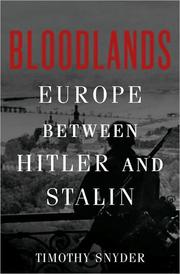 BloodlandsTimothy SnyderA harrowing, meticulously researched descent into the darkest geography of the twentieth century, demanding witness to unimaginable human suffering.
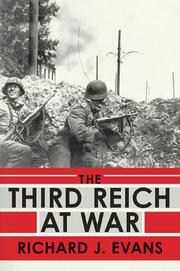 The Third Reich at warRichard J. EvansA sweeping, harrowing descent into the daily realities and terrifying climax of a nation rushing headlong toward self-destruction.
 The Rise and Fall of the Third ReichWilliam L. ShirerA monumental, dread-soaked chronicle of a modern society's descent into absolute darkness, told with the gripping immediacy of a journalist who watched it happen.
 The great terrorRobert ConquestA scrupulous and deeply disturbing chronicle that blends poetic prose with rigorous research to capture the tragedy of state-sponsored terror.