Books › The great terror

The great terror
First published 1968 · 633 pages
A scrupulous and deeply disturbing chronicle that blends poetic prose with rigorous research to capture the tragedy of state-sponsored terror.
What it feels like
Reading this definitive historical account feels like stepping into a meticulously constructed, deeply somber archive of tragedy. The pace is steady and deliberate, guiding the reader through an avalanche of scrupulously researched details about political purges, forced confessions, and life in labor camps. Despite the heavy, disturbing subject matter, the prose itself is compelling and refined, reflecting the author's dual expertise as a leading scholar and a respected poet. The mood is undeniably oppressive and tragic, yet the nonpartisan, authoritative tone provides a grounding sense of clarity. It is a harrowing but essential experience, perfect for readers who appreciate rigorous historical chronicles that do not shy away from the darkest mechanics of state-sponsored terrorism and systemic oppression.
- Mood
- tragic
- disturbing
- oppressive
- heavy
- Tone
- scrupulous
- nonpartisan
- authoritative
- somber
- Pace
- steady
- Themes
- state-sponsored terrorism · political persecution · historical tragedy · systemic oppression
- The writing
- A compelling blend of rigorous academic research and the refined, evocative prose of a respected poet.
- The arc
- A harrowing descent into the mechanics of state terror, moving from scrupulous historical analysis to a profound sense of tragedy.
- Who it's for
- Readers seeking a definitive, deeply researched, and beautifully written historical account of political purges and state-sponsored terror.
Content notes
- state-sponsored terrorism
- political purges
- forced confessions
- labor camps
- executions
About the book
The definitive work on Stalin's purges, the author's The Great Terror was universally acclaimed when it first appeared in 1968. It was "hailed as the only scrupulous, nonpartisan, and adequate book on the subject". And in recent years it has received equally high praise in the Soviet Union, where it is now considered the authority on the period, and has been serialized in Neva, one of their leading periodicals. Of course, when the author wrote the original volume two decades ago, he relied heavily on unofficial sources. Now, with the advent of glasnost, an avalanche of new material is available, and he has mined this enormous cache to write a substantially new edition of his classic work. It is remarkable how many of the most disturbing conclusions have born up under the light of fresh evidence. But the author has added enormously to the detail, including hitherto secret information on the three great "Moscow Trials," on the fate of the executed generals, on the methods of obtaining confessions, on the purge of writers and other members of the intelligentsia, on life in the labor camps, and many other key matters. Both a leading Sovietologist and a highly respected poet, the author blends research with prose, providing not only an authoritative account of Stalin's purges, but also a compelling chronicle of one of this century's most tragic events. A timely revision of a book long out of print, this is the updated version of the author's original work.
Description from Open Library.
Books like The great terror
See why they match GulagAnne ApplebaumA monumental, unflinching descent into the architecture of totalitarian terror and the staggering resilience of those trapped within its shadow.
 Iron CurtainAnne ApplebaumA chilling, meticulously detailed descent into the mechanics of totalitarianism and the suffocating reality of life under absolute state control.
 A people's tragedyOrlando FigesAn epic, devastating tapestry of a society tearing itself apart, woven from the intimate threads of the lives it crushed.
 BloodlandsTimothy SnyderA harrowing, meticulously researched descent into the darkest geography of the twentieth century, demanding witness to unimaginable human suffering.
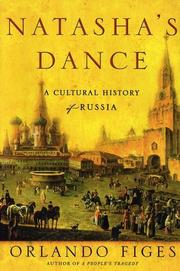 Natasha's DanceOrlando FigesA sweeping, deeply textured journey into the soul of a nation, told through the artists, peasants, and dreamers who shaped it.
 StalingradAntony BeevorA monumental, harrowing descent into the frozen hell of the Eastern Front, told through the eyes of those who lived and died there.