Books › Energy in world history

Energy in world history
First published 1994 · 552 pages
A sweeping, deeply pragmatic lens on human history that reveals the hidden physical forces shaping our world.
What it feels like
Reading this book feels like putting on a pair of x-ray glasses that reveal the hidden, humming infrastructure of human history. It is a deeply intellectual and grounded experience, moving at a steady, deliberate pace as it builds a massive framework of understanding. The tone is authoritative and pragmatic, stripping away romanticized views of the past to focus on the hard, physical realities of calories, muscle, wind, and coal. Rather than a traditional narrative of kings and battles, the mood here is expansive and contemplative, inviting you to marvel at the sheer mechanics of survival and progress. It will absolutely delight systems thinkers, data lovers, and big-history buffs who crave a clear-eyed, unsentimental, and profoundly illuminating perspective on how human civilization actually works.
- Mood
- intellectual
- expansive
- grounded
- contemplative
- Tone
- analytical
- authoritative
- pragmatic
- objective
- scholarly
- Pace
- steady
- Themes
- technological evolution · human progress and its limits · systems thinking · resource dependency · the physical foundations of society
- The writing
- Clear, data-driven, and meticulously structured, favoring precision and quantitative evidence over rhetorical flourish.
- The arc
- Begins with a sweeping curiosity about human origins and builds to a sobering, awe-inspiring appreciation for the physical constraints of civilization.
- Who it's for
- Systems thinkers and big-history buffs who want to understand the literal mechanics and physical inputs that drive human civilization.
Content notes
- environmental degradation
- discussions of war and conflict
About the book
Every human activity entails the conversion of energy. Changes in the fundamental sources of energy, and in the use of energy sources, are a basic dimension of the evolution of society. Our appreciation of the significance of these processes is essential to a fuller understanding of world history.
Vaclav Smil offers a comprehensive look at the role of energy in world history, ranging from human muscle-power in foraging societies and animal-power in traditional farming to preindustrial hydraulic techniques and modern fossil-fueled civilization. The book combines a vast historical sweep with cross-cultural comparisons and is enhanced by illustrations and accessible quantitative material. Students and general readers alike will gain an understanding of energy's fundamental role in human progress.
Smil illuminates the role played by various means of harnessing energy in different societies and provides new insights by explaining the impact and limitations of these fundamental physical inputs - whether it is in the cultivation of crops, smelting of metals, waging of war, or the mass production of goods.
While examining the energetic foundations of historical changes, Energy in World History avoids simplistic, deterministic views of energy needs and recognizes the complex interplay of physical and social realities.
Description from Open Library.
Books like Energy in world history
See why they match Why the West Rules - For NowIan MorrisA sweeping, God's-eye view of human history that turns millennia of data into a gripping puzzle about geography, power, and our collective future.
 The wealth and poverty of nationsDavid S. LandesA sweeping, opinionated masterclass in economic history that challenges the reader to grapple with the cultural and technological roots of global inequality.
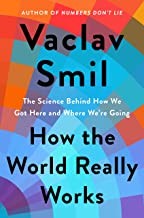 How the World Really WorksVaclav SmilA bracing, data-drenched cold plunge into the physical realities and hidden infrastructures that keep modern civilization running.
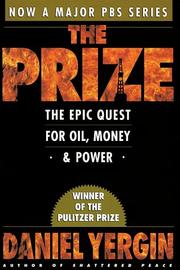 The PrizeDaniel YerginA sweeping, high-stakes epic that reveals the hidden, viscous lifeblood of modern geopolitics and human ambition.
 The Great TransformationKarl PolanyiA sweeping, intellectually rigorous dismantling of the free-market myth that fundamentally changes how you view the relationship between society and the economy.
 Sustainable Energy - Without the Hot AirDavid J.C. MacKayA refreshing splash of cold water and hard math that cuts through the noise of the climate debate.