Books › Evaluation
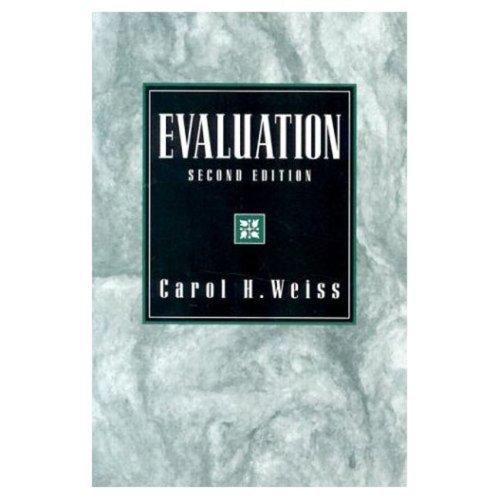
Evaluation
First published 1998 · 372 pages
A rigorous, intellectually grounding exploration of the theoretical frameworks that drive effective social program evaluation.
What it feels like
Reading this book feels like stepping into a well-organized, intellectually rigorous seminar on social science methodology. The pace is steady and deliberate, asking the reader to slow down and engage deeply with the mechanics of study design. There is a deeply focused, analytical mood that permeates the text, stripping away the noise of surface-level metrics to uncover the underlying theories that make social action programs tick. The prose is clear, instructive, and pragmatic, designed to build a researcher's confidence step by step. It is an experience that rewards the methodical thinker, offering a sense of clarity and structural purpose to evaluators and social scientists who want to bring a robust, theory-based approach to their analytical endeavors.
- Mood
- focused
- intellectual
- structured
- Tone
- analytical
- instructive
- pragmatic
- academic
- Pace
- steady
- Themes
- methodological rigor · theory-based design · social action analysis · program evaluation
- The writing
- Clear, instructional, and academic, prioritizing precision and the practical application of complex theories.
- The arc
- Moves from a state of conceptual inquiry to a grounded, methodical confidence in study design.
- Who it's for
- Social scientists, researchers, and program evaluators who crave a rigorous, theory-driven framework for their analytical work.
About the book
Carol H. Weiss integrates a theory-based approach into study design, stressing that understanding the underlying theory of the programme is essential to developing the most appropriate evaluation.
Description from Open Library.
Books like Evaluation
See why they match Research DesignJohn W. CreswellA clarifying, step-by-step roadmap that transforms the daunting prospect of academic research into an achievable, structured process.
 Case Study Research and ApplicationsRobert K. YinA rigorous, clarifying roadmap through the complexities of qualitative research design that transforms daunting academic tasks into manageable steps.
 The practice of social researchEarl R. BabbieA clear, empowering roadmap for turning curiosity about the social world into rigorous, actionable inquiry.
 Research methodologyC. R. KothariA foundational, no-nonsense guide that transforms the daunting prospect of academic research into a manageable, step-by-step process.
 Experiential LearningDavid A. KolbA rigorous, foundational exploration of how human beings transform raw experience into lasting knowledge.
 Naturalistic inquiryYvonna S. LincolnA foundational, intellectually rigorous guide that challenges traditional scientific paradigms and offers a grounded approach to qualitative field research.