Books › Naturalistic inquiry

Naturalistic inquiry
416 pages
A foundational, intellectually rigorous guide that challenges traditional scientific paradigms and offers a grounded approach to qualitative field research.
What it feels like
Reading this book feels like stepping into a rigorous, intellectually stimulating seminar on the philosophy of science and research methodology. The pace is steady and deliberate, guiding the reader through a profound paradigm shift away from rigid, rationalistic manipulation toward a more fluid, naturalistic approach to inquiry. The mood is deeply contemplative and grounded, rooted in the practical realities of fieldwork and the complex interactions between subject and object. Its prose is clear and instructive, breaking down abstract philosophical assumptions about reality, causality, and values into actionable guidance for designing studies and writing case reports. It is an essential, empowering read for social scientists and educational researchers eager to rethink how they understand and conduct qualitative investigations.
- Mood
- intellectual
- contemplative
- grounded
- Tone
- academic
- instructive
- analytical
- persuasive
- pragmatic
- Pace
- steady
- Themes
- paradigm shifts · the nature of reality · research methodology · subject-object interaction · qualitative inquiry
- The writing
- Clear, methodical, and instructive, designed to guide the reader through complex philosophical concepts and practical field applications.
- The arc
- Moves from a critical examination of dominant scientific limitations to an empowering, practical embrace of alternative research paradigms.
- Who it's for
- Social scientists, educational researchers, and students of qualitative methodology seeking a foundational text on alternative research paradigms.
About the book
"Showing how science is limited by its dominant mode of investigation, Lincoln and Guba propose an alternative paradigm--a "naturalistic" rather than "rationalistic" method of inquiry--in which the investigator avoids manipulating research outcomes. A "paradigm shift" is under way in many fields, they contend, and go on to describe the different assumptions of the two approaches regarding the nature of reality, subject-object interaction, the possibility of generalization, the concept of causality, and the role of values. The authors also offer guidance for research in the field (where, they say, naturalistic inquiry always takes place). Useful tips are given, for example, on "designing" a study as it unfolds, establishing "trustworthiness," and writing a case report. This book helps researchers "both to understand and to do naturalistic inquiry." Of particular interest to educational researchers, it is valuable for all social scientists involved with questions of qualitative and quantitative methodology."--Publisher's description.
Description from Open Library.
Books like Naturalistic inquiry
See why they match Qualitative Inquiry and Research DesignJohn W. CreswellA clear, structured journey through the philosophical and practical landscapes of qualitative research.
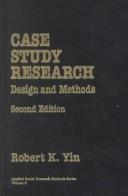 Case study researchRobert K. YinA definitive, structured blueprint that transforms the daunting prospect of qualitative research into a manageable, rigorous process.
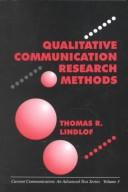 Qualitative communication research methodsThomas R. LindlofA comprehensive, step-by-step academic journey through the mechanics and ethics of qualitative communication research.
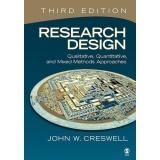 Research DesignJohn W. CreswellA clarifying, step-by-step roadmap that transforms the daunting prospect of academic research into an achievable, structured process.
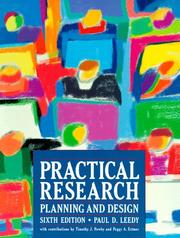 Practical ResearchPaul D. LeedyA reassuring, step-by-step companion that transforms the daunting prospect of academic research into a manageable, structured journey.
 Against MethodFeyerabend, PaulA fiery, iconoclastic manifesto that gleefully dismantles the rigid rules of scientific inquiry to celebrate the chaotic reality of human discovery.