Books › Evolution
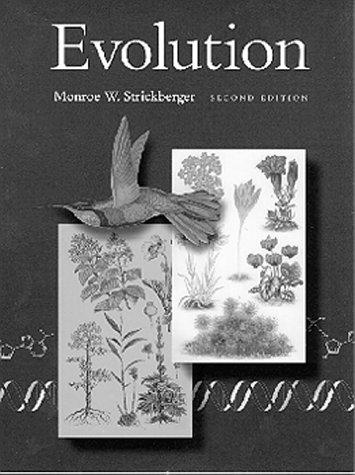
Evolution
First published 1990 · 722 pages
A sweeping, structured journey through the history of life that transforms daunting biological complexity into a unified scientific vision.
What it feels like
Reading this book feels like stepping back to view the entire tapestry of life on Earth through a wide, clarifying lens. It moves at a steady, deliberate pace, carefully building a bridge between cosmological events and molecular pathways. The mood is deeply intellectual and expansive, replacing the daunting complexity of specialized biology with a structured, awe-inspiring sense of interconnectedness. The prose is authoritative and educational, designed to guide the reader through the chronology and mechanisms of how life developed from plants to humans. It is a deeply satisfying experience for biology students and science enthusiasts who want to synthesize disparate scientific fields into one cohesive, evolutionary narrative.
- Mood
- intellectual
- expansive
- contemplative
- Tone
- academic
- authoritative
- educational
- objective
- Pace
- steady
- Themes
- interconnectedness of life · scientific discovery · biological history · origins and development
- The writing
- Clear, structured, and highly informative, designed to synthesize complex scientific concepts into an accessible academic narrative.
- The arc
- Moves from a sense of daunting complexity to a unified understanding of biological interconnectedness.
- Who it's for
- Biology students and science enthusiasts seeking a comprehensive, foundational understanding of life's history and mechanisms.
About the book
Evolution, the history of life, encompasses diverse areas of study - from the origin of life and its subsequent historical record to the molecular and populational concepts that explain these events. Biology students, often daunted by the sophisticated and detailed information needed for their specialties, will appreciate the opportunity to look at the nature of life through the broad lens of evolution. To help students understand that all biological phenomena derive from evolutionary relationships, Dr.
Strickberger's Evolution, Second Edition, provides a sweeping introduction that covers the chronology and mechanisms of evolution. Various chapters are devoted to topics that include the historical development of evolutionary thought, cosmological and geological events, evolution of genetic systems and molecular pathways, and accounts of organisms from plants to humans. In studying the history of life, students will begin to recognize the interrelatedness of many scientific fields.
Description from Open Library.
Books like Evolution
See why they match Why evolution is trueJerry A. CoyneA masterclass in scientific clarity that leaves you marveling at the magnificent, undeniable reality of the natural world.
 BiologyNeil A. CampbellA monumental, structured journey through the mechanics of life that transforms overwhelming complexity into awe-inspiring clarity.
 BiologyKaren ArmsA grounded, comprehensive exploration of the mechanics of life, scaling from the invisible cell to the vastness of global ecosystems.
 The descent of manCharles DarwinAn illuminating journey through the foundational ideas of human evolution, bridging historical scientific insight with modern genetic understanding.
 Darwin's dangerous ideaDaniel C. DennettAn intellectually dizzying journey that uses a single biological concept to dismantle and rebuild your understanding of meaning itself.
 Ever since DarwinStephen Jay GouldA brilliant, conversational stroll through the quirks of natural history and the messy, fascinating evolution of scientific thought.