Books › Biology
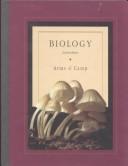
Biology
First published 1979 · 1142 pages
A grounded, comprehensive exploration of the mechanics of life, scaling from the invisible cell to the vastness of global ecosystems.
What it feels like
Reading this foundational text feels like stepping into a well-lit, meticulously organized laboratory. The pace is inherently steady, demanding the reader's focus as it builds a towering architecture of knowledge from the ground up. The mood is deeply academic yet infused with a quiet, grounded awe for the natural world, shifting from the microscopic intricacies of cellular biology to the sweeping, interconnected realities of global ecology. The prose is clear, authoritative, and deeply educational, designed to illuminate rather than obscure. It is an experience of structured discovery, perfect for the curious autodidact or the dedicated student who finds comfort in the logical, awe-inspiring mechanics of life and the rigorous scientific methods used to understand them.
- Mood
- academic
- inquisitive
- grounded
- structured
- Tone
- objective
- authoritative
- educational
- clear
- Pace
- steady
- Themes
- interconnectedness of life · scientific inquiry · micro to macro scale · ecological responsibility
- The writing
- Clear, didactic, and highly structured, prioritizing comprehension and factual accuracy over stylistic flourish.
- The arc
- Moves from foundational curiosity about microscopic building blocks to a broad, awe-inspiring understanding of global ecosystems.
- Who it's for
- Students of the natural sciences and curious autodidacts seeking a comprehensive, foundational understanding of how living systems operate.
Content notes
- animal death
- ecological collapse discussions
About the book
Chapter one introduces the main themes of the book - the fundamentals concepts of biology and the scientific method. Part one covers cell and molecular biology. Part two develops the concept of genetic information and its expression from the molecular level up. Part three is devoted to evolution, its mechanisms and results. Part four details the revolution in the way we classify organisms, embracing cladistic methods, and discussing the uses and pitfalls of molecular phylogeny. Part five covers major changes in animal biology. Part six's introduction empahsizes the concept of "plantness". Part seven looks at the importance of ecology in relation to the growing human population and Earth's capacity to support the increasing populations.
Description from Open Library.
Books like Biology
See why they match BotanyUniversity of Texas Austin James D MausethA rigorous, grounding journey into the microscopic and macroscopic architecture of the green world.
 EvolutionMonroe W. StrickbergerA sweeping, structured journey through the history of life that transforms daunting biological complexity into a unified scientific vision.
 Campbell biologyJane B. ReeceAn authoritative, meticulously structured exploration of the foundational principles of life.
 Advanced BiologyMichael KentA highly structured, objective journey through the core concepts of life sciences, designed for rigorous study and tested mastery.
 EvolutionCarl ZimmerA thoughtful exploration of the historical roots and enduring significance of a foundational scientific concept.
 The cellCarl A. GoldnerA methodical and illuminating journey into the microscopic machinery that powers all living things.