Books › Factfulness
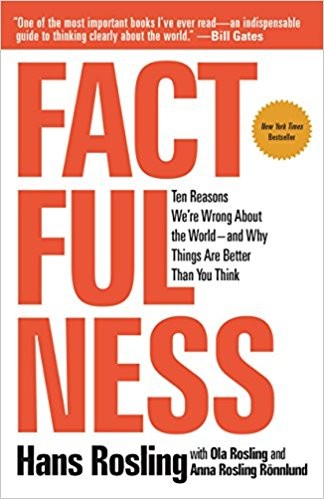
Factfulness
400 pages
A data-driven antidote to doomscrolling that replaces global anxiety with grounded, rational hope.
What it feels like
Reading this book feels like taking a deep, cleansing breath after a long session of doomscrolling. It replaces the heavy dread of the 24-hour news cycle with a refreshing, clear-eyed optimism rooted entirely in hard data. The prose is remarkably accessible and conversational, guiding you through global statistics with the warmth and enthusiasm of a beloved professor. You aren't just learning about cognitive biases; you are actively unlearning your own pessimism. The mood is persistently uplifting but never naive, demanding critical thinking while offering profound reassurance. It moves at a brisk, engaging pace, punctuated by memorable anecdotes and intuitive charts. This is the perfect read for anxious pragmatists and curious minds desperate for a factual, hopeful lens through which to view our complex world.
- Mood
- hopeful
- clear-eyed
- uplifting
- intellectually stimulating
- Tone
- optimistic
- pragmatic
- earnest
- reassuring
- educational
- Pace
- brisk
- Themes
- cognitive biases · global progress · data literacy · overcoming pessimism · rational optimism
- The writing
- Accessible, conversational, and deeply empathetic, translating complex data into clear, memorable anecdotes.
- The arc
- Moves from overwhelming anxiety about the state of the world to a grounded, reassuring sense of clarity and actionable hope.
- Who it's for
- Curious pragmatists and news-fatigued individuals looking for a data-driven reason to feel better about the future.
Content notes
- discussions of extreme poverty
- mentions of disease and mortality
About the book
Factfulness: The stress-reducing habit of only carrying opinions for which you have strong supporting facts.
When asked simple questions about global trends―what percentage of the world’s population live in poverty; why the world’s population is increasing; how many girls finish school―we systematically get the answers wrong. So wrong that a chimpanzee choosing answers at random will consistently outguess teachers, journalists, Nobel laureates, and investment bankers.
In Factfulness, Professor of International Health and global TED phenomenon Hans Rosling, together with his two long-time collaborators, Anna and Ola, offers a radical new explanation of why this happens. They reveal the ten instincts that distort our perspective―from our tendency to divide the world into two camps (usually some version of us and them) to the way we consume media (where fear rules) to how we perceive progress (believing that most things are getting worse).
Our problem is that we don’t know what we don’t know, and even our guesses are informed by unconscious and predictable biases.
It turns out that the world, for all its imperfections, is in a much better state than we might think. That doesn’t mean there aren’t real concerns. But when we worry about everything all the time instead of embracing a worldview based on facts, we can lose our ability to focus on the things that threaten us most.
Inspiring and revelatory, filled with lively anecdotes and moving stories, Factfulness is an urgent and essential book that will change the way you see the world and empower you to respond to the crises and opportunities of the future.
Description from Open Library.
Books like Factfulness
See why they match 21 Lessons for the 21st CenturyYuval Noah HarariA clarifying, panoramic sweep of the modern world's most urgent anxieties, offering a steadying hand in an age of information overload.
 Calling BullshitCarl T. Bergstrom and Jevin D. WestA witty, empowering toolkit for cutting through the noise of a data-drenched world.
 Enlightenment nowSteven PinkerA sweeping, data-driven antidote to cultural pessimism that argues the world is actually getting better.
 Thinking, fast and slowDaniel KahnemanA humbling, mind-expanding tour through the hidden machinery of your own thoughts that will permanently alter how you view human rationality.
 Good Economics for Hard TimesEsther DufloA compassionate, myth-busting journey through modern policy that replaces partisan panic with evidence-based hope.
 SuperforecastingDan GardnerAn intellectually stimulating masterclass in stripping away bias and upgrading your mental software to see the world more clearly.