Books › 21 Lessons for the 21st Century

21 Lessons for the 21st Century
576 pages
A clarifying, panoramic sweep of the modern world's most urgent anxieties, offering a steadying hand in an age of information overload.
What it feels like
Reading this book feels like stepping out of a noisy, crowded room onto a high balcony to survey the chaotic city below. It offers a steady, panoramic view of our current historical moment, cutting through the daily deluge of panic-inducing headlines with cool, accessible logic. The mood is undeniably anxious—grappling with AI, climate collapse, and political fracturing is no light task—yet the experience is deeply clarifying rather than despairing. The prose is conversational and sharp, using vivid metaphors to make massive, abstract global shifts feel tangible. It is a thought-provoking, expansive journey that moves from dizzying global threats to an unexpectedly intimate plea for personal mindfulness. This is the perfect companion for curious generalists seeking intellectual grounding in an increasingly bewildering world.
- Mood
- thought-provoking
- anxious
- expansive
- clarifying
- Tone
- analytical
- urgent
- accessible
- philosophical
- pragmatic
- Pace
- steady
- Themes
- technological disruption · information overload · existential uncertainty · global interconnectedness · the search for meaning
- The writing
- Lucid and conversational, employing sharp metaphors to distill massive historical and technological shifts into digestible insights.
- The arc
- Begins with a dizzying plunge into global anxieties and technological threats, gradually settling into a grounded plea for mental clarity and resilience.
- Who it's for
- Curious generalists and armchair philosophers seeking a wide-angle lens to make sense of today's chaotic news cycle.
Content notes
- existential dread
- political instability
- climate change anxiety
- discussions of terrorism
About the book
In a world deluged by irrelevant information, clarity is power. Censorship works not by blocking the flow of information, but rather by flooding people with disinformation and distractions. 21 Lessons for the 21st Century cuts through these muddy waters and confronts some of the most urgent questions on today’s global agenda.
Why is liberal democracy in crisis? Is God back? Is a new world war coming? What does the rise of Donald Trump signify? What can we do about the epidemic of fake news? Which civilisation dominates the world – the West, China, Islam? Should Europe keep its doors open to immigrants? Can nationalism solve the problems of inequality and climate change? What should we do about terrorism? What should we teach our kids?
Billions of us can hardly afford the luxury of investigating these questions, because we have more pressing things to do: we have to go to work, take care of the kids, or look after elderly parents. Unfortunately, history makes no concessions. If the future of humanity is decided in your absence, because you are too busy feeding and clothing your kids – you and they will not be exempt from the consequences. This is very unfair; but who said history was fair?
A book doesn’t give people food or clothes – but it can offer some clarity, thereby helping to level the global playing field. If this book empowers even a handful of people to join the debate about the future of our species, it has done its job.
Description from Open Library.
Books like 21 Lessons for the 21st Century
See why they match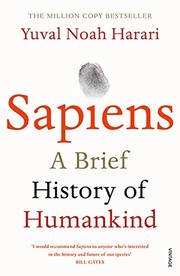 SapiensYuval Noah HarariA sweeping, paradigm-shifting journey that reveals the everyday structures of human life as nothing more than powerful, shared fictions.
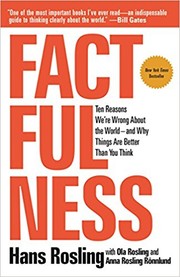 FactfulnessHans Rosling, Ola Rosling and othersA data-driven antidote to doomscrolling that replaces global anxiety with grounded, rational hope.
 Why the West Rules - For NowIan MorrisA sweeping, God's-eye view of human history that turns millennia of data into a gripping puzzle about geography, power, and our collective future.
 NexusYuval Noah HarariA sweeping, bird's-eye view of human history that leaves you both marveling at our ingenuity and deeply unsettled by our future.
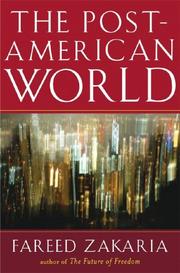 The post-American worldFareed ZakariaA clear-eyed, panoramic view of a rapidly changing globe that replaces anxiety with pragmatic optimism.
 Enlightenment nowSteven PinkerA sweeping, data-driven antidote to cultural pessimism that argues the world is actually getting better.