Books › Fahrenheit 451

Fahrenheit 451
384 pages
A feverish, poetic descent into a world where apathy is mandated and curiosity is a crime punishable by fire.
What it feels like
Reading this novel feels like waking up from a long, numb sleep into a world that is suddenly too bright and too loud. The prose is intensely poetic and breathless, rushing forward with a feverish urgency that mirrors the protagonist's frantic intellectual awakening. It immerses you in an oppressive, paranoid atmosphere where the glow of screens has replaced the warmth of human connection, and the scent of kerosene lingers on every page. The narrative moves at a brisk, propulsive clip, shifting from a state of chilling conformity to a desperate, heart-pounding flight for survival. It is a deeply passionate, cautionary experience designed for readers who cherish the written word and fear the quiet creep of societal apathy, leaving behind a lingering spark of hope in the dark.
- Mood
- oppressive
- feverish
- paranoid
- illuminated
- Tone
- urgent
- cautionary
- passionate
- melancholic
- Pace
- brisk
- Themes
- the weight of conformity · the power of memory · intellectual awakening · the danger of apathy · preservation of humanity
- The writing
- Highly poetic, sensory, and breathless, filled with vivid metaphors of fire, light, and mechanical menace.
- The arc
- Begins in a state of numb compliance, ignites into a frantic awakening, and settles into a quiet, hopeful resolve.
- Who it's for
- Readers who crave lyrical, thought-provoking dystopias that challenge the numbing effects of modern mass media and celebrate the written word.
Content notes
- state-sanctioned violence
- suicide/overdose
- censorship
- animal cruelty
About the book
Fahrenheit 451 is a 1953 dystopian novel by American writer Ray Bradbury. Often regarded as one of his best works, the novel presents a future American society where books are outlawed and "firemen" burn any that are found. The book's tagline explains the title as "'the temperature at which book paper catches fire, and burns": the autoignition temperature of paper. The lead character, Guy Montag, is a fireman who becomes disillusioned with his role of censoring literature and destroying knowledge, eventually quitting his job and committing himself to the preservation of literary and cultural writings.
The novel has been the subject of interpretations focusing on the historical role of book burning in suppressing dissenting ideas for change. In a 1956 radio interview, Bradbury said that he wrote Fahrenheit 451 because of his concerns at the time (during the McCarthy era) about the threat of book burning in the United States. In later years, he described the book as a commentary on how mass media reduces interest in reading literature.
In 1954, Fahrenheit 451 won the American Academy of Arts and Letters Award in Literature and the Commonwealth Club of California Gold Medal. It later won the Prometheus "Hall of Fame" Award in 1984 and a "Retro" Hugo Award, one of a limited number of Best Novel Retro Hugos ever given, in 2004. Bradbury was honored with a Spoken Word Grammy nomination for his 1976 audiobook version.
Description from Open Library.
Books like Fahrenheit 451
See why they match The Illustrated ManRay BradburyA haunting tapestry of dark futures and human frailties woven into the skin of a doomed wanderer.
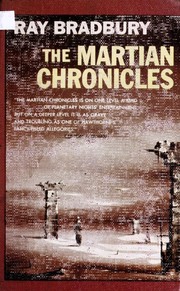 The Martian ChroniclesRay BradburyA haunting, poetic meditation on humanity's flaws and dreams, set against the rust-red sands of an ancient, dying world.
 A Canticle for LeibowitzWalter M. Miller Jr.A sweeping, darkly satirical, and deeply philosophical meditation on humanity's doomed cycle of destruction and the quiet monks who preserve the ashes of knowledge.
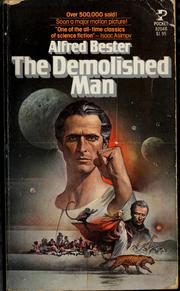 The Demolished ManAlfred BesterA feverish, typographic descent into the mind of a killer trying to outrun telepathic justice in a neon-drenched future.
 Stand on ZanzibarJohn BrunnerA kaleidoscopic, fragmented plunge into an overpopulated, media-saturated future that feels uncomfortably close to our present.
 The fire next timeJames BaldwinA searing, intimate, and prophetic letter that demands a reckoning with America's racial soul.