Books › Forbidden knowledge

Forbidden knowledge
First published 1996 · 441 pages
A sweeping, sobering intellectual journey through Western literature that asks whether there are things humanity was never meant to know.
What it feels like
Reading this book feels like sitting in a masterclass taught by a deeply concerned, brilliantly articulate philosopher. It is a steady, intellectually rigorous exploration of human hubris, tracing the boundaries of what we are meant to know. The mood is sobering and contemplative, steeped in the weight of Western literature and the terrifying implications of modern scientific discovery. The prose is remarkably lucid, translating dense literary and ethical theories into urgent, accessible arguments without losing their profound complexity. It does not rush; instead, it builds a meticulous, cautionary case through the lens of myth and classic texts. This is a deeply rewarding experience for readers who crave interdisciplinary history and are unafraid to grapple with the moral limits of human curiosity.
- Mood
- contemplative
- sobering
- intellectually rigorous
- Tone
- erudite
- cautionary
- lucid
- philosophical
- serious
- Pace
- steady
- Themes
- hubris and human limits · the ethics of discovery · loss of innocence · moral responsibility · the danger of unchecked curiosity
- The writing
- Lucid, authoritative, and deeply engaging, weaving complex literary analysis into accessible, elegant arguments.
- The arc
- Moves from a sweeping, awe-struck exploration of ancient myths to a sobering, urgent reflection on modern humanity's unchecked ambitions.
- Who it's for
- Readers who love deep, interdisciplinary dives into intellectual history, literature, and the moral questions that shape human civilization.
Content notes
- discussions of sexual violence
- sadism
- moral transgression
About the book
Forbidden Knowledge boldly traces the tragic arc of Western literature and culture as it explores the notion of "forbidden knowledge," from the sexual innocence of Adam and Eve to the awe-inspiring discoveries of modern scientists who have created the atomic bomb and recombinant DNA. The result is a dire portrait of human presumption and of a culture that has abandoned all limits in the quest for knowledge and experience.
The harrowing imagery that Shattuck presents is matched only by his faith that we can understand our grievous loss of innocence by reexamining our greatest myths and stories of the last two thousand years. In lively, lucid prose Shattuck explores our uncertain fate through such myths as that of Prometheus and a wide range of literary works, including Milton's Paradise Lost, the writings of the Marquis de Sade, Mary Shelley's Frankenstein, Melville's Billy Budd, and the poetry of Emily Dickinson.
Parents and teachers should be aware that Chapter VII does not make appropriate reading for children and minors.
In this seminal work, Shattuck breaks new ground in opening up a crucial subject never before accorded this full-scale treatment. Forbidden Knowledge impels us to a renewed effort to think judiciously about morality and the sacred during a decade of radical skepticism. Forbidden Knowledge represents the capstone of Roger Shattuck's career as one of America's most original and gifted thinkers.
Description from Open Library.
Books like Forbidden knowledge
See why they match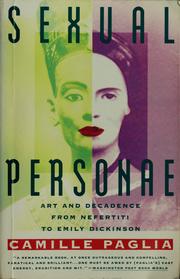 Sexual PersonaeCamille PagliaA sweeping, scholarly excavation of the pagan, sexual, and decadent undercurrents pulsing beneath the surface of Western literature.
 The Western canonHarold BloomA fierce, erudite love letter to the towering geniuses of literature and a passionate defense of reading for aesthetic pleasure alone.
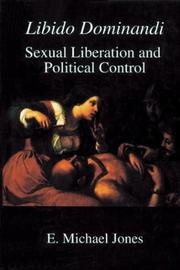 Libido dominandiE. Michael JonesA sweeping, contrarian history that reframes modern liberation as a sophisticated cage built from human desires.
 GodJack MilesA daring, close-reading exploration that reimagines the deity of the Old Testament as a deeply conflicted, evolving literary protagonist.
 Reading Lolita in TehranAzar NafisiA clandestine gathering of minds where forbidden literature becomes a lifeline against the encroaching dark.
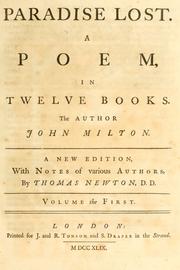 Paradise LostMilton, John ; Hughes, Merritt EditorA cosmic, thunderous descent into rebellion and the tragic, beautiful fragility of human innocence.