Books › Freedom at Midnight

Freedom at Midnight
First published 1997 · 765 pages
A sweeping, cinematic chronicle of an empire's final days and the bloody, triumphant birth of two nations.
What it feels like
Reading this book feels like watching a sweeping historical epic unfold on a massive screen. The narrative is incredibly propulsive, driven by a ticking clock as an empire dismantles itself and two new nations are born. It is a deeply immersive experience that places you in the opulent halls of viceroys and the dusty, blood-soaked roads of partition. The prose is cinematic and urgent, balancing the grand, sweeping movements of millions with the intimate, deeply human flaws of the leaders at the helm. While the mood is often tense and ultimately tragic, weighed down by the sheer scale of human suffering, it remains a breathtakingly empathetic read. It will completely absorb readers who love narrative history that pulses with the drama, heartbreak, and complexity of a political thriller.
- Mood
- tense
- sweeping
- tragic
- chaotic
- monumental
- Tone
- cinematic
- urgent
- authoritative
- dramatic
- empathetic
- Pace
- propulsive
- Themes
- the human cost of empire · birth of a nation · tragedy of partition · weight of leadership · clash of ideals and reality
- The writing
- Journalistic yet highly cinematic, weaving intimate character portraits with sweeping, dramatic panoramas of a continent in upheaval.
- The arc
- Begins with the grand, tense anticipation of a historic transition and descends into the devastating heartbreak of mass violence, culminating in somber reflection.
- Who it's for
- History buffs who crave immersive, character-driven narratives that read with the breathless pacing of a political thriller.
Content notes
- graphic violence
- mass displacement
- religious persecution
- assassination
- riots
- colonial racism
About the book
The end of an empire. The birth of two nations.
Seventy years ago, at midnight on August 14, 1947, the Union Jack began its final journey down the flagstaff of Viceroy’s House, New Delhi. A fifth of humanity claimed their independence from the greatest empire history has ever seen—but the price of freedom was high, as a nation erupted into riots and bloodshed, partition and war.
Freedom at Midnight is the true story of the events surrounding Indian independence, beginning with the appointment of Lord Mountbatten of Burma as the last Viceroy of British India, and ending with the assassination and funeral of Mahatma Gandhi. The book was an and achieved enormous acclaim in the United States, Italy, Spain, and France.
This edition contains 20 black-and-white photos, five maps, a full bibliography, extensive notes, and a dedication from Dominique Lapierre to the memory of his longtime writing partner Larry Collins.
Description from Open Library.
Books like Freedom at Midnight
See why they match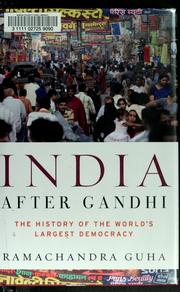 India after GandhiRamachandra GuhaA sweeping, monumental journey through the chaotic, improbable, and triumphant survival of the world's largest democracy.
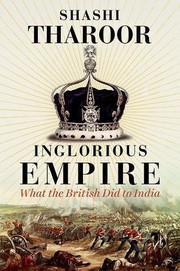 Inglorious EmpireShashi TharoorA fiercely articulate and righteous dismantling of imperial myths that leaves you intellectually electrified and profoundly indignant.
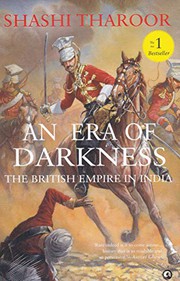 An Era of DarknessShashi TharoorA fiercely articulate dismantling of imperial nostalgia that leaves you both educated and deeply indignant.
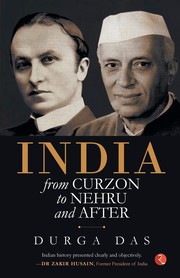 India From Curzon to Nehru and AfterDurga DasA front-row seat to the turbulent, monumental birth of modern India, told by a journalist who walked the halls of power.
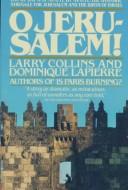 O Jerusalem!Larry Collins and Dominique LapierreA sweeping, minute-by-minute historical epic that plunges you into the chaotic, passionate birth of a nation.
 IndiaJohn KeayA sweeping, erudite journey through millennia of empires, migrations, and cultural synthesis.