Books › India after Gandhi
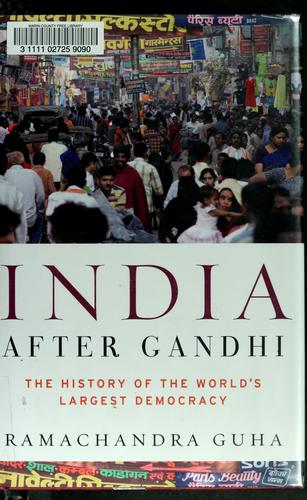
India after Gandhi
First published 2007 · 944 pages
A sweeping, monumental journey through the chaotic, improbable, and triumphant survival of the world's largest democracy.
What it feels like
Reading this monumental history feels like watching a vast, chaotic tapestry being woven in real time. Despite its daunting size, the narrative moves with a steady, engaging rhythm, anchoring sweeping political shifts in the deeply human stories of prime ministers, peasants, and activists alike. The mood is both turbulent and awe-inspiring, capturing the sheer improbability of a nation fractured by language, caste, and religion managing to hold together. It is a deeply empathetic and nuanced experience, trading dry academic recitation for a vibrant, character-driven epic. History buffs and political junkies will find themselves completely absorbed by this masterful exploration of resilience, leaving with a profound appreciation for the messy, miraculous endurance of a modern democratic giant.
- Mood
- sweeping
- turbulent
- contemplative
- awe-inspiring
- Tone
- authoritative
- empathetic
- nuanced
- engaging
- measured
- Pace
- steady
- Themes
- nation-building · fragility of democracy · unity in diversity · political resilience · the weight of history
- The writing
- Clear, narrative-driven, and highly accessible, effortlessly weaving grand political shifts with intimate biographical portraits.
- The arc
- Moves from the traumatic uncertainty of partition to a profound, cautious awe at the endurance of a complex democratic experiment.
- Who it's for
- Readers who love immersive, character-rich historical narratives and are fascinated by the messy, miraculous mechanics of democracy.
Content notes
- religious violence
- assassination
- war
- political upheaval
- mass displacement
About the book
Born in privation and civil war, divided by caste, class, language and religion, independent India emerged, somehow, as a united and democratic country. This remarkable book tells the full story--the pain and the struggle, the humiliations and the glories--of the world's largest and least likely democracy. Social historian Guha writes of the protests and conflicts that have peppered the history of free India, but also of the factors and processes that have kept the country together (and kept it democratic), defying numerous prophets of doom who believed that it would break up or come under autocratic rule. This story of modern India is peopled with extraordinary characters: Guha gives fresh insights on the lives and public careers of the long-serving prime ministers, but also writes with feeling and sensitivity about the major provincial leaders and other lesser known (though not necessarily less important) Indians--peasants, tribals, women, workers and musicians.--From publisher description.
Description from Open Library.
Books like India after Gandhi
See why they match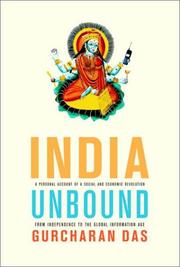 India unboundGurcharan DasA sweeping, deeply personal journey through the economic and social awakening of a modern superpower.
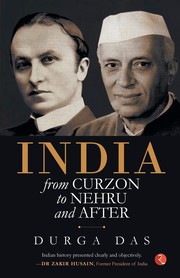 India From Curzon to Nehru and AfterDurga DasA front-row seat to the turbulent, monumental birth of modern India, told by a journalist who walked the halls of power.
 IndiaJohn KeayA sweeping, erudite journey through millennia of empires, migrations, and cultural synthesis.
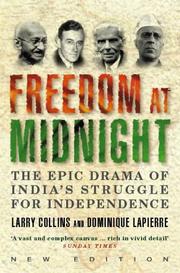 Freedom at MidnightDominique Lapierre and Larry CollinsA sweeping, cinematic chronicle of an empire's final days and the bloody, triumphant birth of two nations.
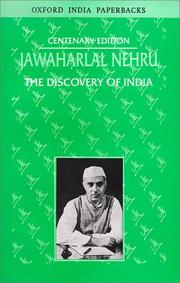 The discovery of IndiaJawaharlal NehruA sweeping, deeply personal meditation on the soul, history, and enduring resilience of an ancient civilization.
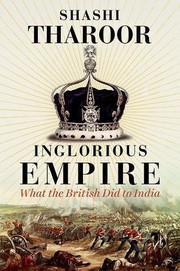 Inglorious EmpireShashi TharoorA fiercely articulate and righteous dismantling of imperial myths that leaves you intellectually electrified and profoundly indignant.