Books › Freethinkers

Freethinkers
A History of American Secularism
448 pages
An impassioned, intellectually rigorous excavation of America's forgotten rationalist heritage.
What it feels like
Reading this book feels like sitting in on a masterclass taught by a fiercely intelligent, deeply passionate historian who is determined to set the record straight. The pace is steady and deliberate, demanding your full attention as it weaves through centuries of complex intellectual history. It carries an illuminating, often sobering mood, peeling back layers of cultural mythology to reveal the radical, rationalist roots of American democracy. The prose is sharp, erudite, and unapologetically argumentative, blending meticulous archival research with a palpable sense of urgency. It is a deeply satisfying read for history enthusiasts and political junkies who crave a rigorous, clear-eyed exploration of the ongoing tension between faith, reason, and civil liberty.
- Mood
- intellectually rigorous
- illuminating
- sobering
- reflective
- Tone
- erudite
- passionate
- argumentative
- clear-eyed
- rational
- Pace
- steady
- Themes
- the erasure of intellectual history · the tension between faith and reason · the fragility of secularism · the fight for civil liberties · the legacy of rationalism
- The writing
- Sharply persuasive and rigorously researched, the prose blends dense historical narrative with impassioned, articulate argumentation.
- The arc
- Begins with the exhilarating discovery of America's radical rationalist roots and builds to a sobering, urgent reflection on the modern threats to secularism.
- Who it's for
- Readers who love deep, ideological history and want to understand the philosophical bedrock of the separation of church and state.
Content notes
- discussions of slavery
- religious persecution
- historical bigotry
About the book
The essential rationalism binding America's founding secularists to one another was memorably expressed by John Adams to Thomas Jefferson in an 1813 letter commenting on Britain's repeal of an old statue that made it a crime to deny the existence of the Holy Trinity.
Description from Open Library.
Books like Freethinkers
See why they match The Founding MythAndrew L SeidelA rigorous, analytical dismantling of historical misconceptions surrounding religion and the American founding.
 The Age of ReasonThomas PaineA fiery, unapologetic dismantling of religious dogma fueled by the unyielding light of human reason.
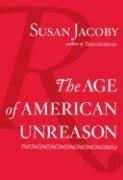 The age of American unreasonSusan JacobyA fierce, erudite wake-up call for a culture drowning in infotainment and willful ignorance.
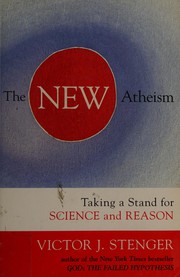 The new AtheismVictor J. StengerA rigorous, unapologetic defense of scientific rationalism that methodically dismantles the claims of organized religion.
 Founding BrothersJoseph J. EllisA captivating look at the fragile, ego-driven, and deeply human relationships that forged a nation from the brink of collapse.
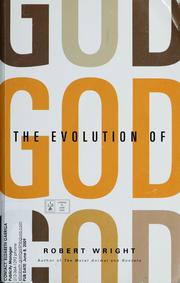 The evolution of GodWright, RobertA sweeping, intellectually rigorous journey through human history that seeks the hidden evolutionary logic behind our search for the divine.