Books › God bless you, Mr. Rosewater

God bless you, Mr. Rosewater
or, Pearls before swine
290 pages
A darkly hilarious and deeply tender plea for human decency in a world obsessed with money.
What it feels like
Reading this novel feels like sitting at a dive bar with a brilliant, heartbroken philosopher who is determined to make you laugh through the apocalypse. The pace is brisk, driven by short, punchy vignettes and a conversational rhythm that masks the profound weight of its ideas. It balances a deeply cynical view of American capitalism with an almost desperate, tender humanism. The mood is chaotic and darkly comic, yet permeated by a lingering melancholy about the state of the world. The prose is deceptively simple, stripping away pretension to deliver sharp, aphoristic truths about wealth, class, and the sheer absurdity of being alive. It is a perfect match for readers who crave biting social satire that ultimately champions radical, unconditional kindness.
- Mood
- darkly comic
- melancholic
- chaotic
- tender
- Tone
- satirical
- compassionate
- wry
- absurdist
- cynical
- Pace
- brisk
- Themes
- the absurdity of wealth · unconditional human decency · class inequality · existential loneliness · the meaning of charity
- The writing
- Deceptively simple and conversational, the sentences are punctuated by sharp, aphoristic wit and profound philosophical sighs.
- The arc
- The journey shifts from bewildered alienation in a corrupt world to a radical, absurdly beautiful embrace of unconditional human love.
- Who it's for
- Readers who appreciate biting social satire softened by a profound, almost desperate humanism.
Content notes
- mental illness
- alcoholism
- suicidal ideation
- classism
About the book
Second only to Slaughterhouse-Five of Vonnegut's canon in its prominence and influence, God Bless You, Mr. Rosewater (1965) presents Eliot Rosewater, an itinerant, semi-crazed millionaire wandering the country in search of heritage and philanthropic outcome, introducing the science fiction writer Kilgore Trout to the world and Vonnegut to the collegiate audience which would soon make him a cult writer.
Trout, modeled according to Vonnegut on the science fiction writer Theodore Sturgeon (with whom Vonnegut had an occasional relationship) is a desperate, impoverished but visionary hack writer who functions for Eliot Rosewater as both conscience and horrid example. Rosewater, seeking to put his inheritance to some meaningful use (his father was an entrepreneur), tries to do good within the context of almost illimitable cynicism and corruption.
It is in this novel that Rosewater wanders into a science fiction conference – an actual annual event in Milford, Pennsylvania – and at the motel delivers his famous monologue evoked by science fiction writers and critics for almost half a century: "None of you can write for sour apples... but you're the only people trying to come to terms with the really terrific things which are happening today." Money does not drive Mr. Rosewater (or the corrupt lawyer who tries to shape the Rosewater fortune) so much as outrage at the human condition.
The novel was adapted for a 1979 Alan Menken musical. The novel is told mostly thru a collection of short stories dealing with Eliot's interactions with the citizens of Rosewater County, usually with the last sentence serving as a punch line. The antagonist's tale, Mushari's, is told in a similar short essay fashion. The stories reveal different hypocrisies of humankind in a darkly humorous fashion.
Description from Open Library.
Books like God bless you, Mr. Rosewater
See why they match Breakfast of ChampionsKurt VonnegutA wildly absurd, darkly hilarious road trip through the broken heart of American consumerism, complete with felt-tip pen doodles.
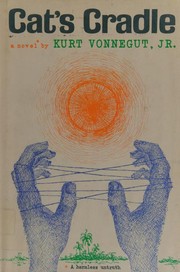 Cat's CradleKurt VonnegutA darkly hilarious, bite-sized spiral into the inevitable end of the world.
 Dr. BloodmoneyPhilip K. DickA surreal, darkly comic stumble through a post-nuclear California where the end of the world is just another bizarre inconvenience.
 Catch-22Joseph HellerA dizzying, darkly hilarious descent into the inescapable madness of bureaucratic warfare.
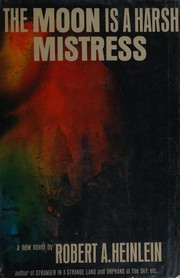 The moon is a harsh mistressRobert A. HeinleinA gritty, fast-talking tale of scrappy underdogs and a sentient computer engineering a high-stakes revolution.
 Closing timeJoseph HellerA darkly funny, sprawling meditation on getting old in a world that has lost its mind.