Books › Good-Bye to All That
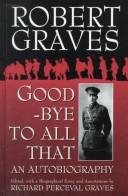
Good-Bye to All That
an autobiography
526 pages
A searing, painfully raw farewell to the traumas of war and the heavy burdens of the past.
What it feels like
Reading this original 1929 autobiography feels like witnessing a desperate, formal exorcism of memory. The narrative is painfully raw and searingly frank, plunging the reader into the unvarnished reality of trench warfare and the profound mental strain that follows. It is not a polished, retrospective reflection, but rather a visceral attempt to write down the past so it can finally be forgotten. The prose carries a heavy, haunted atmosphere, stripped of later revisions that softened its edge, leaving only the intense, unedited truth of a young writer's survival. It will deeply resonate with readers who seek unflinching historical memoirs that confront the psychological toll of war and the urgent, messy human need for closure.
- Mood
- haunted
- intense
- reflective
- Tone
- raw
- searing
- frank
- unsentimental
- Pace
- steady
- Themes
- the trauma of war · mental strain · farewell to the past · the burden of memory
- The writing
- Painfully raw and searingly frank, capturing the unvarnished reality of mental strain and wartime survival.
- The arc
- Moves from the searing trauma of trench warfare to a desperate, formal attempt at closure and forgetfulness.
- Who it's for
- Readers who appreciate unflinching, raw historical memoirs that confront the psychological toll of war and the desperate need for personal closure.
Content notes
- war trauma
- trench warfare
- mental strain
About the book
"The objects of this autobiography, written at the age of thirty-three, are simple enough: an opportunity for a formal good-bye to you and to you and to you and to me and to all that; forgetfulness, because once all this has been settled in my mind and written down and published it need never be thought about again; money.".
Thus begins Robert Graves's classic 1929 autobiography with its searing account of life in the trenches of the First World War; and yet this opening passage, together with much significant material, has been unavailable since 1957, when a middle-aged Graves totally revised his text, robbing it of the painfully raw edge that had helped to make it an By 1957 major changes in his private life had taken place.
Graves was no longer living with the American poet Laura Riding, under whose influence and in whose honor the original had been written. By cutting out all references to Riding, by deleting passages which revealed the mental strains under which he had labored, and by meticulously editing the entire text, Graves destroyed most of what had made it so powerful but also removed it from the only context in which it could be fully understood.
We are pleased to offer the original 1929 edition on the occasion of Graves's 100th anniversary, edited and annotated by Robert Graves's nephew and biographer, whose lucid introduction greatly enhances its value.
Description from Open Library.
Books like Good-Bye to All That
See why they match Testament of youthVera BrittainA devastating, beautifully written elegy for a generation shattered by war, told through the eyes of a woman who survived to bear witness.
 The Great War and Modern MemoryPaul FussellA haunting, erudite exploration of how the horrors of trench warfare shattered innocence and birthed the ironic lens of the modern world.
 A Farewell to ArmsHemingway ErnestA stark, rain-swept tragedy where love offers a fleeting, desperate shelter from the relentless machinery of war.
 The Return of the SoldierRebecca WestA haunting, beautifully observed novella that peels back the manicured illusions of an English country estate to reveal the psychological shrapnel of war.
 The white goddessGraves, Robert & Grevel LindopA dizzying, impassioned descent into the ancient, mythic roots of poetry and the divine feminine.
 A Child's Christmas in WalesDylan ThomasA lyrical, snow-dusted plunge into the sensory magic and warm nostalgia of a childhood winter.