Books › Testament of youth

Testament of youth
First published 1933 · 672 pages
A devastating, beautifully written elegy for a generation shattered by war, told through the eyes of a woman who survived to bear witness.
What it feels like
Reading this memoir feels like watching a golden, sunlit afternoon slowly succumb to a devastating, endless winter. It is a profoundly moving, steady-paced immersion into the emotional landscape of the First World War, anchored by prose that is both fiercely intelligent and overwhelmingly sorrowful. The narrative weaves personal letters and poetry into a broader historical reflection, creating an atmosphere that is deeply intimate yet sweeping in its tragic scope. You feel the crushing weight of grief as innocence is stripped away, replaced by a resolute, scarred determination. It will deeply resonate with readers who seek out emotionally devastating, beautifully articulated accounts of history, offering a haunting testament to love, loss, and the enduring strength of the human spirit in the face of unimaginable tragedy.
- Mood
- somber
- heartbreaking
- haunting
- poignant
- resolute
- Tone
- earnest
- elegiac
- reflective
- passionate
- devastating
- Pace
- steady
- Themes
- the lost generation · grief and survival · shattering of innocence · female experience of war · pacifism and purpose
- The writing
- Eloquent, deeply felt, and meticulously detailed, blending intimate personal letters with sweeping historical reflection.
- The arc
- Moves from the bright, hopeful innocence of Edwardian youth to the crushing devastation of wartime loss, ultimately finding a scarred but resolute purpose in remembrance.
- Who it's for
- Readers who appreciate sweeping, emotionally devastating historical memoirs and are drawn to the intimate, human cost of war.
Content notes
- war trauma
- profound grief
- death of loved ones
- medical trauma
- depression
About the book
A vivid and passionate record of the years 1900 to 1925, this is Vera Brittain's haunting autobiography - a portrait of a young girl's life in prewar England and a heartbreaking document of the holocaust of war. The author tells us about the war she saw and poignantly describes how it was to watch the gradual destruction of her generation.
Raised in provincial comfort during a gentle age, Brittain won a scholarship to Oxford, then fell profoundly in love with a friend of her adored brother Edward, just as the country crept toward the edge of war.
We follow four agonizing years of war through Brittain's eyewitness accounts of life without hope in London and at the front in France. In 1915 she abandoned her studies and enlisted in the army as a voluntary nurse. By war's end Vera Brittain had become a convinced pacifist and feminist.
In 1919 she came back to Oxford to finish her studies. It was at this time that she met Winifred Holtby, who became her greatest friend and ally. Returning to London in 1921, she devoted herself to the cause of world peace and struggled to earn her living as a journalist.
First published in 1933, this famous best-seller was acclaimed as "the real war book of the women of England." In spirit and impact it is such a moving elegy to a lost generation that P.D. James wrote of it: "This is one of those books which help both form and define the mood of its time." Comparable to All Quiet on the Western Front, this powerful book is another classic of World War I - from a woman's point of view.
Description from Open Library.
Books like Testament of youth
See why they match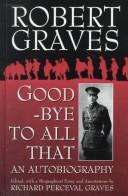 Good-Bye to All ThatRobert GravesA searing, painfully raw farewell to the traumas of war and the heavy burdens of the past.
 The Great War and Modern MemoryPaul FussellA haunting, erudite exploration of how the horrors of trench warfare shattered innocence and birthed the ironic lens of the modern world.
 The Return of the SoldierRebecca WestA haunting, beautifully observed novella that peels back the manicured illusions of an English country estate to reveal the psychological shrapnel of war.
 Private PeacefulMichael MorpurgoA ticking-clock countdown through a young soldier's memories, contrasting the golden light of childhood with the devastating shadows of the trenches.
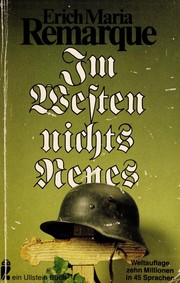 Im Westen nichts NeuesErich Maria RemarqueA devastating, visceral descent into the trenches that strips away the glory of combat to reveal the raw, tragic humanity underneath.
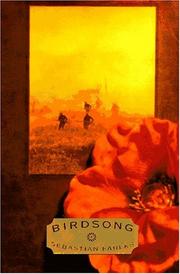 BirdsongSebastian FaulksA sweeping, devastating journey from the intoxicating heights of forbidden passion to the claustrophobic, muddy horrors of the Western Front.