Books › Grand cahier

Grand cahier
478 pages
A chilling, brutally minimalist fable that strips away all sentimentality to expose the raw, devastating mechanics of survival.
What it feels like
Reading this book feels like holding a block of ice: it is stark, numbing, and leaves a lingering burn. The narrative moves at a brisk, almost mechanical pace, driven by short, declarative chapters that refuse to look away from the horrors of a war-torn world. Told through a chillingly detached, collective first-person voice, the prose is entirely stripped of emotion, forcing the reader to absorb the shock of its brutality without any authorial hand-holding. It is an unsettling, deeply claustrophobic experience that immerses you in a fractured fairy tale of survival and lost innocence. This is a masterpiece for those who appreciate dark, allegorical fiction and want a story that challenges the very nature of truth, identity, and human endurance.
- Mood
- chilling
- bleak
- unsettling
- claustrophobic
- Tone
- clinical
- detached
- unflinching
- deadpan
- stark
- Pace
- brisk
- Themes
- loss of innocence · mechanics of survival · fractured identity · brutalization of war · unreliable truth
- The writing
- Brutally minimalist and hyper-objective, relying on short, declarative sentences stripped entirely of emotion or moral judgment.
- The arc
- Begins with a shocking immersion into childhood cruelty and descends into a profound, disorienting existential fracture.
- Who it's for
- Readers who crave dark, allegorical European literature and are drawn to stark, unsentimental explorations of human nature under extreme duress.
Content notes
- graphic violence
- animal cruelty
- sexual assault
- child abuse
- wartime atrocities
- incest
About the book
These three internationally acclaimed novels have confirmed Agota Kristof's reputation as one of the most provocative exponents of new-wave European fiction. With all the stark simplicity of a fractured fairy tale, the trilogy tells the story of twin brothers, Claus and Lucas, locked in an agonizing bond that becomes a gripping allegory for the forces that have divided "brothers" in much of Europe since World War II.
Kristof's postmodern saga begins with The Notebook, in which the brothers are children, lost in a country torn apart by conflict, who must learn every trick of evil and cruelty merely to survive.
In The Proof, Lucas is challenged to prove his own identity and the existence of his missing brother, a defector to the "other side." The Third Lie, which closes the trilogy, is a biting parable of Eastern and Western Europe today and a deep exploration into the nature of identity, storytelling, and the truths and untruths that lie at the heart of them all.
Description from Open Library.
Books like Grand cahier
See why they match Fugitive PiecesAnne MichaelsA breathtakingly poetic meditation on how we carry the ghosts of our past and slowly rebuild our souls through language and love.
 The New York TrilogyPaul AusterA hypnotic, noir-tinged descent into the labyrinth of the self, disguised as a detective novel.
 The lost wifeAlyson RichmanA heartbreaking historical romance that contrasts the fragile beauty of young love with the devastating currents of war.
 L'IdentitéKundera MilanA brief, unsettling plunge into the fragility of love and the terrifying realization that we only exist through the eyes of others.
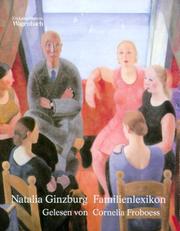 Lessico famigliareNatalia GinzburgAn intimate, unvarnished portrait of a family weathering the storms of history, anchored by the private language that binds them together.
 SorstalanságImre KertészA chillingly rational, unsentimental descent into the normalization of unimaginable horror.