Books › Hidden Potential

Hidden Potential
304 pages
An uplifting, science-backed dismantling of the natural talent myth that makes remarkable growth feel entirely within your reach.
What it feels like
Reading this book feels like having a deeply encouraging conversation with a brilliant mentor who refuses to let you sell yourself short. It moves at a brisk, engaging clip, effortlessly trading dry academic jargon for compelling human stories and actionable insights. The atmosphere is steeped in a profound, infectious optimism that challenges the cultural obsession with innate genius. Instead, it wraps the reader in a hopeful, intellectually stimulating environment where character and persistence matter more than raw IQ. The prose is conversational yet sharp, making complex psychological frameworks feel like common sense. It is a perfect fit for lifelong learners, ambitious professionals, or anyone who has ever felt like a late bloomer, offering a compassionate but rigorous roadmap to unlocking the greatness hiding just beneath the surface.
- Mood
- uplifting
- intellectually stimulating
- hopeful
- Tone
- encouraging
- analytical
- optimistic
- accessible
- earnest
- Pace
- brisk
- Themes
- growth mindset · redefining success · character development · overcoming plateaus · the myth of innate talent
- The writing
- Conversational and engaging, seamlessly weaving compelling human anecdotes with accessible psychological research.
- The arc
- Begins by dismantling discouraging myths about natural talent and builds toward an empowering, actionable sense of personal capability.
- Who it's for
- Lifelong learners, professionals, and anyone feeling stuck who wants a science-backed, compassionate push to reach their next level.
About the book
Hidden Potential: The Science of Achieving Greater Things is a non-fiction book by organizational psychologist Adam Grant. It challenges the traditional obsession with "natural talent" and instead focuses on the framework for how anyone can improve and achieve remarkable things through character development and better systems of learning. The book is structured around three core pillars: 1. Character Skills (More Than Just "Grit") Grant argues that character is often mistaken for personality. While personality is your basic instinct, character is your capacity to prioritize your values over those instincts. Key concepts include: Embracing Discomfort: Seeking out challenges that make you feel awkward or incompetent is the fastest way to grow. Being a "Sponge": Moving beyond just being a hard worker to being someone who actively absorbs and implements feedback. The Imperfectionist: Shifting away from debilitating perfectionism and toward finding the "optimal" level of flawlessness. 2. Structures for Sustaining Motivation The book explores how to avoid burnout and stagnation by changing how we approach practice and "the grind." Harmonious Passion: Balancing intense focus with rest to prevent exhaustion. Deliberate Play: Transforming tedious practice into something engaging. For example, instead of repetitive drills, athletes or musicians might create games that test the same skills but keep the mind fresh. The Power of Scaffolding: Using temporary support systems (mentors, tools, or habits) to overcome "plateaus" where progress usually stalls. 3. Systems of Opportunity Grant scales his findings up to look at how schools, businesses, and societies can identify potential in people who aren't "straight-A" students or obvious prodigies. Distance Traveled: He suggests we should judge people not just by where they are, but by how far they have come and the obstacles they overcame to get there. The "Diamond in the Rough" Effect: Creating selection processes that look for hidden gems rather than just polishing existing stars. Key Takeaway The central thesis is that the limit of your potential is not defined by your starting point. By focusing on the "science of progress" rather than the "myth of talent," Grant provides a roadmap for individuals and organizations to rise above their current ceilings.
Description from Open Library.
Books like Hidden Potential
See why they match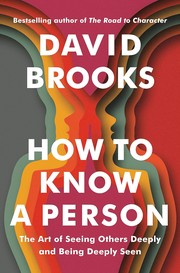 How to Know a PersonDavid BrooksA hopeful and deeply curious exploration of how to truly see, hear, and value the people around us.
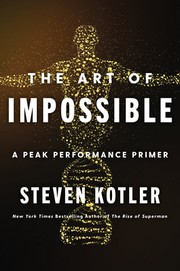 Art of ImpossibleSteven KotlerA high-octane, science-backed blueprint for turning your wildest ambitions into systematic reality.
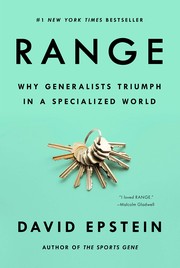 RangeDavid EpsteinA validating and intellectually thrilling defense of the late bloomer, the dabbler, and the jack-of-all-trades.
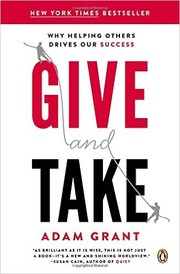 Give and TakeAdam GrantAn uplifting, evidence-based exploration that proves nice guys do not actually have to finish last.
 Think AgainAdam GrantA friendly, intellectually stimulating invitation to dismantle your deepest assumptions and discover the freedom of changing your mind.
 SupercommunicatorsCharles DuhiggA fascinating, story-driven exploration of the hidden mechanics of human connection that leaves you feeling equipped to talk to anyone.