Books › How to be rich

How to be rich
First published 1965 · 264 pages
A surprisingly philosophical masterclass on money, stripping away the flash of billionaire life to reveal the grounded principles of true wealth.
What it feels like
Reading this book feels like sitting in a quiet, wood-paneled study with a surprisingly candid titan of industry who wants to demystify the world of money. The pace is steady and conversational, guiding you through the mechanics of stocks, real estate, and business management without ever getting bogged down in dense financial jargon. Instead of a flashy guide to hoarding luxury, the mood is deeply contemplative and grounded, focusing on the ethical responsibilities of wealth and the importance of investing back into society. The prose is clear, pragmatic, and refreshingly devoid of modern hustle-culture anxiety. It will delight readers looking for timeless, principled advice on economics, offering a philosophical lens on what it actually means to be rich.
- Mood
- contemplative
- grounded
- aspirational
- Tone
- pragmatic
- philosophical
- down-to-earth
- authoritative
- reflective
- Pace
- steady
- Themes
- the philosophy of wealth · ethical capitalism · stewardship of resources · value over accumulation · practical economics
- The writing
- Clear, accessible, and surprisingly conversational, stripping away financial jargon in favor of straightforward wisdom.
- The arc
- Moves from a curiosity about the mechanics of wealth to a grounded appreciation for the responsibilities and philosophies of true abundance.
- Who it's for
- Readers seeking timeless, principled financial advice and those curious about the mindset of a historical billionaire who valued economic stewardship over mere accumulation.
Content notes
- discussions of wealth inequality
- dated cultural references
About the book
J. Paul Getty draws on his own experiences of becoming the worlds first generally recognized billionaire to explain money and economics. He does so in a way that is very readable even to the novice. He is surprisingly down to earth and rather philosophical in his discussion of what wealth is, what it means to have wealth and as the title itself states "How to be rich".
J. Paul explains in simple terms how stocks, bonds and real estate work. He discusses running a business and the impact of sound business decisions on the economy. He explains clearly the importance of paying employees as well as one can afford because they are ultimately the ones buying the product the company produces.
He shows himself to be humble when he discusses real estate and personal possessions pointing out that if you own 4 mansions and 5 yachts, there isn't enough time in the day to use them. They will just sit there collecting dust.
He explains how finances work and how to become rich but ultimately he makes a compelling case that being rich is not about piling up possessions, rather it is about investing back into the communities from which the wealth comes.
A book that needs to be rediscovered in this age of income inequality and corporate CEO's gone wild.
Description from Open Library.
Books like How to be rich
See why they match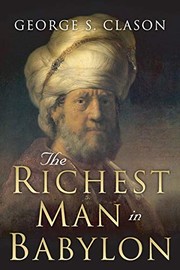 The Richest Man in BabylonGeorge S. ClasonA collection of ancient-feeling parables that transforms basic financial literacy into empowering, timeless wisdom.
 The Simple Path to WealthJ. CollinsA warm, no-nonsense conversation over coffee that strips away the anxiety of investing and replaces it with quiet confidence.
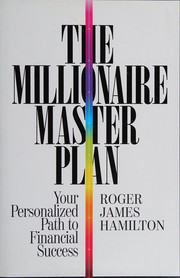 The millionaire master planRoger James HamiltonA gamified, color-coded roadmap that transforms the daunting pursuit of wealth into an actionable, personalized strategy.
 The Psychology of MoneyMorgan HouselA reassuring, jargon-free conversation about how our egos, fears, and histories shape our bank accounts.
 Why the rich are getting richerRobert T. KiyosakiA provocative challenge to conventional financial wisdom that urges readers to rethink everything they know about money.
 Basic economicsThomas SowellA masterclass in stripping away political rhetoric to reveal the hidden, often counterintuitive gears that drive human societies.