Books › The Psychology of Money

The Psychology of Money
320 pages
A reassuring, jargon-free conversation about how our egos, fears, and histories shape our bank accounts.
What it feels like
Reading this feels like sitting down with a wise, unpretentious mentor who cares more about your peace of mind than your portfolio's alpha. The short, digestible chapters make for a brisk read, but the insights linger, prompting deep reflection on what enough actually means. Instead of drowning the reader in spreadsheets and compound interest formulas, the narrative leans into history, psychology, and human folly. It is a remarkably reassuring experience that strips away the shame and confusion often surrounding personal finance. Readers who usually avoid money books will find themselves devouring this one, walking away not with a rigid budget, but with a profound, calming shift in how they view wealth, risk, and happiness.
- Mood
- grounded
- reflective
- reassuring
- clear-headed
- Tone
- conversational
- pragmatic
- empathetic
- unpretentious
- Pace
- brisk
- Themes
- the emotional weight of wealth · redefining success · the role of luck and risk · behavioral biases · financial peace of mind
- The writing
- Crisp, anecdotal, and highly accessible, stripping away jargon in favor of relatable storytelling.
- The arc
- Moves from a state of financial anxiety and confusion to a sense of grounded clarity and personal empowerment.
- Who it's for
- Anyone who feels intimidated by traditional finance books and wants to understand the human behavior behind wealth building.
Content notes
- financial anxiety
About the book
Timeless lessons on wealth, greed, and happiness doing well with money isn’t necessarily about what you know. It’s about how you behave. And behavior is hard to teach, even to really smart people. How to manage money, invest it, and make business decisions are typically considered to involve a lot of mathematical calculations, where data and formulae tell us exactly what to do. But in the real world, people don’t make financial decisions on a spreadsheet. They make them at the dinner table, or in a meeting room, where personal history, your unique view of the world, ego, pride, marketing, and odd incentives are scrambled together. In the psychology of money, the author shares 19 short stories exploring the strange ways people think about money and teaches you how to make better sense of one of life’s most important matters.
Description from Open Library.
Books like The Psychology of Money
See why they match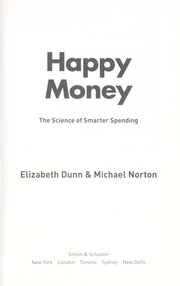 Happy moneyElizabeth DunnA breezy, science-backed guide that flips the script on personal finance, focusing on how to buy joy rather than just accumulate wealth.
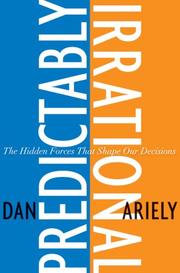 Predictably IrrationalDan ArielyA playful, eye-opening tour through the hidden forces that secretly pull the strings of our daily decisions.
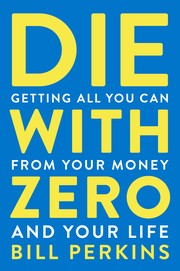 Die with ZeroBill PerkinsA provocative wake-up call that challenges you to stop hoarding your wealth and start spending it on a life worth remembering.
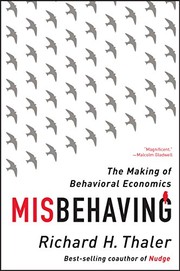 MisbehavingRichard H. ThalerA witty, eye-opening tour through the delightfully irrational quirks of human decision-making.
 The Simple Path to WealthJ. CollinsA warm, no-nonsense conversation over coffee that strips away the anxiety of investing and replaces it with quiet confidence.
 Mastering The Market CycleHoward MarksA pragmatic, steady exploration of financial rhythms designed to put the odds of investment success in your favor.