Books › How to talk so kids will listen & listen so kids will talk

How to talk so kids will listen & listen so kids will talk
368 pages
A compassionate, practical toolkit that transforms household battlegrounds into spaces of mutual respect and understanding.
What it feels like
Reading this book feels like sitting down with a wise, deeply empathetic mentor who completely understands the exhaustion of daily parenting battles. The atmosphere is immediately reassuring, stripping away the guilt of lost tempers and replacing it with a grounding sense of hope. It moves at a steady, digestible pace, allowing readers to absorb its conversational prose and instantly recognizable comic-strip scenarios. Instead of dense psychological theory, the text offers a tactile, actionable approach to emotional regulation and mutual respect. It is a deeply comforting experience for any caregiver who feels stuck in a cycle of nagging or yelling, offering a clear, compassionate bridge back to connection and family harmony.
- Mood
- reassuring
- grounding
- hopeful
- Tone
- empathetic
- practical
- encouraging
- non-judgmental
- Pace
- steady
- Themes
- emotional regulation · mutual respect · conflict resolution · family harmony · active listening
- The writing
- Clear, conversational, and highly actionable, anchored by relatable dialogues and simple comic-strip illustrations.
- The arc
- Moves from the exhaustion of daily power struggles to a grounded sense of capability and connection.
- Who it's for
- Caregivers and parents exhausted by nagging and yelling who crave a more peaceful, cooperative dynamic with their children.
Content notes
- parenting stress
- family conflict
About the book
You can stop fighting with your children! Here is the bestselling book that will give you the know-how you need to be more effective with your children—and more supportive of yourself. Enthusiastically praised by parents and professionals around the world, the down-to-earth, respectful approach of Adele Faber and Elaine Mazlish makes relationships with children of all ages less stressful and more rewarding. Now, in this thirtieth-anniversary edition, these award-winning experts share their latest insights and suggestions based on feedback they’ve received over the years.
Their methods of communication—illustrated with delightful cartoons showing the skills in action—offer innovative ways to solve common problems. You’ll learn how to:
Cope with your child’s negative feelings—frustration, disappointment, anger, etc.
Express your anger without being hurtful
Engage your child’s willing cooperation
Set firm limits and still maintain goodwill
Use alternatives to punishment
Resolve family conflicts peacefully
Description from Open Library.
Books like How to talk so kids will listen & listen so kids will talk
See why they match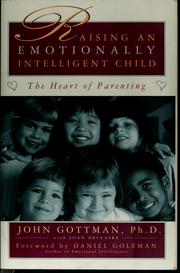 Raising an emotionally intelligent childJohn Mordechai GottmanA compassionate, research-backed roadmap for turning emotional meltdowns into moments of profound connection.
 Siblings without rivalryAdele Faber and Elaine MazlishA deeply reassuring, practical toolkit that feels like sitting down with a wise, non-judgmental mentor who actually understands the chaos of your living room.
 The Book You Wish Your Parents Had ReadPhilippa PerryA warm, judgment-free therapy session that helps you untangle your own childhood baggage to build healthier, more authentic connections.
 Nonviolent CommunicationRosenberg, Marshall B., Ph.D.A gentle but profound toolkit for dismantling defensiveness and building bridges of genuine understanding.
 People skillsRobert BoltonA practical, empathetic toolkit for untangling the messy reality of human communication.
 Secrets of the Baby WhispererTracy Hogg and Melinda BlauA reassuring, structured lifeline for exhausted new parents seeking to decode their baby's cries and reclaim their sanity.