Books › Nonviolent Communication

Nonviolent Communication
First published 1999 · 320 pages
A gentle but profound toolkit for dismantling defensiveness and building bridges of genuine understanding.
What it feels like
Reading this book feels like taking a deep, steadying breath in the middle of a heated argument. It offers a grounding, reflective atmosphere that gently dismantles the defensive walls we build in our daily interactions. The prose is clear, earnest, and deeply practical, anchoring its profound psychological insights in relatable anecdotes and sample dialogues that make the concepts immediately applicable. As you move through the chapters, the initial frustration of chronic misunderstanding gives way to a hopeful, empowering sense of clarity. It is an essential, steady-paced read for anyone exhausted by cyclical conflicts, offering a compassionate framework that delights those eager to cultivate radical empathy, heal fractured relationships, and finally feel truly heard.
- Mood
- reflective
- grounding
- hopeful
- calm
- Tone
- earnest
- compassionate
- instructive
- gentle
- encouraging
- Pace
- steady
- Themes
- radical empathy · authentic connection · emotional regulation · conflict resolution · self-compassion
- The writing
- Clear, accessible, and deeply practical, relying heavily on real-world dialogues and relatable anecdotes to illustrate its concepts.
- The arc
- Moves from the frustration of chronic misunderstanding to a grounded, empowering sense of clarity and relational peace.
- Who it's for
- Readers seeking to heal fractured relationships, communicate more authentically, or break cycles of defensiveness and anger in their personal and professional lives.
Content notes
- discussions of anger
- interpersonal conflict
- emotional trauma
About the book
An enlighting look at how peaceful communication can create compassionate connections with family, friends, and other acquaintances, this book uses stories, examples, and sample dialogues to provide solutions to communication problems both at home and in the workplace. Guidance is provided on identifying and articulating feelings and needs, expressing anger fully, and exploring the power of empathy in order to speak honestly without creating hostility, break patterns of thinking that lead to anger and depression, and communicate compassionately. These nonviolent communication skills are fully explained and can be applied to personal, professional, and political differences. Included in the new edition is information on how to compassionately connect with oneself.
Description from Open Library.
Books like Nonviolent Communication
See why they match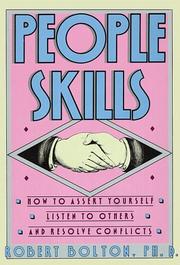 People skillsRobert BoltonA practical, empathetic toolkit for untangling the messy reality of human communication.
 The Power of a Positive NoWilliam UryA pragmatic, empowering guide to reclaiming your time and values without destroying the relationships that matter.
 Hold Me TightSue JohnsonA compassionate, science-backed roadmap for turning relationship conflict into profound emotional connection.
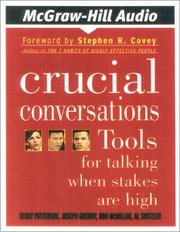 Crucial ConversationsKerry Patterson, Joseph Grenny and othersA practical, anxiety-reducing toolkit for navigating the conversations you have been actively dreading.
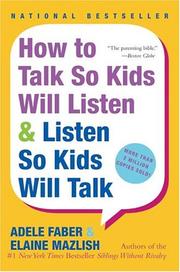 How to talk so kids will listen & listen so kids will talkAdele Faber and Elaine MazlishA compassionate, practical toolkit that transforms household battlegrounds into spaces of mutual respect and understanding.
 Men are From Mars, Women are From VenusJohn GrayA comforting, metaphorical guide to bridging the communication gap and fostering empathy between partners.