Books › Introducing Computers

Introducing Computers
First published 1988 · 1374 pages
A nostalgic, methodical journey back to the dawn of personal computing, where mastering DOS and Lotus 1-2-3 felt like unlocking the future.
What it feels like
Reading this vintage textbook is like stepping into a time machine set to the late 1980s, back when personal computers were beige, bulky, and full of mysterious potential. The pace is steady and methodical, guiding the reader through the foundational concepts of DOS, WordPerfect, and Lotus 1-2-3 with an earnest, encouraging tone. It lacks the slickness of modern tech writing, offering instead a dry but deeply charming utilitarian prose that prioritizes absolute clarity. The mood is distinctly academic and retro, evoking the quiet hum of a high school computer lab or an early corporate cubicle. It is a perfect artifact for vintage tech enthusiasts and digital historians who want to experience the foundational days of the digital revolution exactly as they were taught.
- Mood
- retro
- academic
- structured
- nostalgic
- Tone
- instructional
- earnest
- methodical
- dry
- Pace
- steady
- Themes
- technological literacy · the dawn of personal computing · mastering new tools · digital foundations
- The writing
- Clear, utilitarian, and highly structured, prioritizing absolute clarity and instruction over stylistic flair.
- The arc
- Moves from the initial apprehension of complex new technology to a structured, confident mastery of digital basics.
- Who it's for
- Vintage tech enthusiasts, computer history buffs, and anyone nostalgic for the era of DOS prompts and floppy disks.
About the book
1992-93 ANDExploring DOS,WORDPERFECT 5.1,Lotus 2.2 and dBase III Plus.
Description from Open Library.
Books like Introducing Computers
See why they match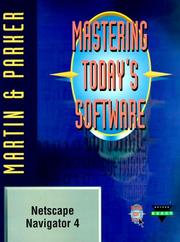 Mastering today's softwareEdward G. Martin and Charles S. ParkerA highly structured, utilitarian journey into the foundational bedrock of early 1990s personal computing.
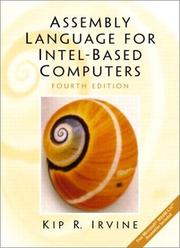 Assembly language for Intel-based computersIrvineA methodical descent into the bare metal of computing, trading high-level abstraction for absolute, granular control.
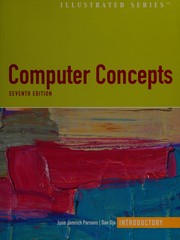 Computer ConceptsDan OjaA reassuring, structured time capsule that demystifies the digital frontier of the mid-nineties.
 Databases for Small BusinessAnna ManningA steady, pragmatic guide that transforms technical overwhelm into operational confidence for small business owners.
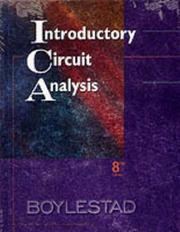 Introductory circuit analysisRobert L. BoylestadA rigorous, methodical deep-dive into the fundamental laws that govern electrical currents and systems.
 Introductory Mathematical AnalysisErnest F. HaeusslerA rigorous, clear-eyed foundation in the mathematical tools that drive economic and business analysis.