Books › Ishi in Two Worlds a Biogr

Ishi in Two Worlds a Biogr
385 pages
A haunting, deeply empathetic chronicle of a man standing alone at the end of his people's history.
What it feels like
Reading this book feels like sitting in the quiet aftermath of a profound tragedy, guided by a narrator whose deep empathy softens the devastating history. The pace is steady and deliberate, allowing the weight of Ishi’s profound isolation and quiet dignity to fully settle into the reader's bones. It is an elegiac, haunting experience, steeped in the melancholic atmosphere of a world irrevocably lost, yet illuminated by moments of startling human connection and resilience. The prose is lyrical and respectful, bridging the gap between scholarly anthropology and deeply felt biography. It will deeply move readers who are drawn to poignant histories of cultural memory, the collision of disparate worlds, and the enduring strength of the human spirit in the face of unimaginable loss.
- Mood
- melancholic
- poignant
- reflective
- haunting
- Tone
- respectful
- elegiac
- compassionate
- scholarly
- empathetic
- Pace
- steady
- Themes
- cultural extinction · profound isolation · human resilience · collision of worlds · memory and preservation
- The writing
- Lyrical, deeply empathetic, and grounded in careful anthropological detail without losing its profound humanity.
- The arc
- Moves from the devastating tragedy of a lost people to a quiet, poignant testament of one man's resilience and the enduring power of human connection.
- Who it's for
- Readers who appreciate deeply moving historical biographies, anthropology, and stories of profound human resilience and cultural memory.
Content notes
- genocide
- starvation
- disease
- racism
- cultural erasure
- grief and loss
About the book
Naiomi Alderman described the book as follows in the Guardian Newspaper; "On 29 August 1911, a 50-year-old man, a member of the Yahi group of the Native American Yana people, walked out of the forest near Oroville, California, and was captured by the local sheriff. He was known at the time and popularised in the press as “the last wild Indian”.
He called himself “Ishi” – a word in the Yahi language that means simply “man”. He was the very last of his people, and had been living in the wilderness alone, travelling to places he remembered from the time when his tribe had flourished, in the hope of finding some remnant of those he’d grown up with. When he realised they were truly all gone, when a series of forest fires meant he was close to starvation, he allowed himself to be found and taken in.
Knowing that he was the last surviving Yahi, Ishi was desperate to communicate some of the culture that would be entirely lost when he was gone. He ended up living with the director of the museum of anthropology at the University of California, Alfred Kroeber. He taught Kroeber as much as he could: demonstrated the skills of flint-knapping, explained his language, told the stories of his people one last time so they could be written down and preserved. He was particularly fond of children, Kroeber recorded. Ishi died in 1916, of tuberculosis. After his death, Alfred’s wife, Theodora, wrote a remarkable book about him, Ishi in Two Worlds, which relays as much of the Yahi culture as the anthropologists were able to record, and talks about Ishi’s own accounts of his life. To read it is to touch an intricate and beautiful civilisation that is now entirely gone, a place that can only be momentarily resurrected by an imaginative act, as unreachable as an alien world.
Description from Open Library.
Books like Ishi in Two Worlds a Biogr
See why they match Into the WildJon KrakauerA haunting, investigative journey into the heart of American wanderlust and the fatal price of absolute freedom.
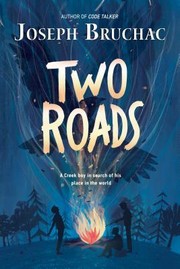 Two roadsJoseph BruchacA dust-swept, deeply empathetic journey of a boy finding his roots and a brotherhood in the most unexpected of places.
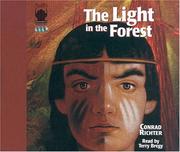 The Light in the ForestConrad RichterA poignant, atmospheric journey of a boy caught between two cultures, steeped in the quiet beauty of the forest and the ache of displacement.
 Island of the Blue DolphinsScott O’DellA quiet, windswept testament to human resilience and the profound companionship found in the natural world.
 Black Elk speaksJohn G. NeihardtA visionary and elegiac oral history that immerses the reader in the spiritual depth and tragic twilight of the traditional Lakota way of life.
 The Spirit Catches You and You Fall DownAnne FadimanA devastating, deeply empathetic exploration of a tragic collision between Western medicine and indigenous spirituality.