Books › L'Homme révolté

L'Homme révolté
First published 1969 · 414 pages
A passionate, lyrical defense of human dignity against the crushing weight of historical absolutism and nihilism.
What it feels like
Reading this book feels like sitting in a dimly lit Parisian cafe, engaged in an urgent, soul-searching conversation about the fate of humanity. It is a weighty, contemplative experience that demands your full intellectual presence, moving at a steady, deliberate pace through the darkest chapters of Western thought and history. The prose is dense but fiercely lyrical, vibrating with a passionate moral clarity that refuses to surrender to despair. You are pulled through a landscape of nihilism and historical violence, only to emerge with a profound, defiant sense of human solidarity. It will deeply resonate with restless, philosophical minds who are looking for a way to resist the world's injustices without sacrificing their own humanity in the process.
- Mood
- contemplative
- weighty
- defiant
- somber
- Tone
- passionate
- analytical
- earnest
- moral
- urgent
- Pace
- steady
- Themes
- moral responsibility · human solidarity · the limits of freedom · resisting nihilism · the burden of history
- The writing
- Lyrical, dense, and rhetorically powerful, blending philosophical rigor with the soul of a poet.
- The arc
- Moves from the suffocating despair of historical nihilism toward a defiant, grounded hope in human solidarity.
- Who it's for
- Deep thinkers and restless souls who seek a moral compass in a chaotic, seemingly meaningless world.
Content notes
- discussions of state violence
- totalitarianism
- historical atrocities
- philosophical discussions of murder
About the book
The Rebel (French: L'Homme révolté) is a 1951 book-length essay by Albert Camus, which treats both the metaphysical and the historical development of rebellion and revolution in societies, especially Western Europe.
Examining both rebellion and revolt, which may be seen as the same phenomenon in personal and social frames, Camus examines several' countercultural' figures and movements from the history of Western thought and art, noting the importance of each in the overall development of revolutionary thought and philosophy. He analyses the decreasing social importance of the king, god and of virtue and the development of nihilism. It can be seen as a sequel to The Myth of Sisyphus, where he ponders the meaning of life, because it answers the same question, but offers an alternative solution.
Description from Open Library.
Books like L'Homme révolté
See why they match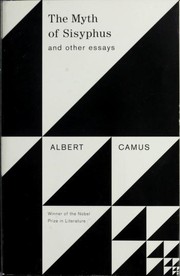 The Myth of Sisyphus and Other EssaysAlbert CamusA lyrical and defiant meditation on finding meaning and joy in a universe that refuses to offer any.
 Resistance, Rebellion and DeathAlbert CamusA weighty, philosophical exploration of morality and political duty in the face of systemic challenges.
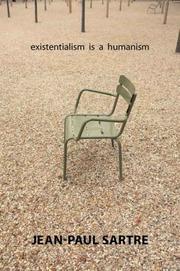 Existentialism Is a HumanismJean-Paul SartreA brisk, electrifying defense of human freedom that places the heavy, exhilarating burden of meaning squarely on your shoulders.
 The outsiderColin WilsonAn impassioned, intellectually restless exploration of what it means to be fundamentally disconnected from the world.
 Meursault, contre-enqueteKamel DaoudA fierce, whiskey-soaked monologue that reclaims a stolen narrative from the margins of a literary classic.
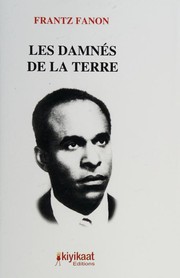 Les damnés de la terreFrantz FanonA searing, intellectual lightning strike that dissects the anatomy of oppression and demands a radical reimagining of the world.