Books › Lost Christianities

Lost Christianities
First published 2003 · 320 pages
A fascinating archaeological dig through the suppressed texts and forgotten voices of early religion.
What it feels like
Reading this book feels like stepping into a dusty, sunlit archive filled with secrets that were meant to be burned. It is a steady, deeply intellectual journey that peels back the polished veneer of orthodox history to reveal a chaotic, vibrant world of competing beliefs. The prose is remarkably clear and accessible, guiding you through complex theological battles without ever feeling dry or overly academic. There is a quiet thrill in discovering these lost voices and realizing how easily history could have gone another way. It will delight history buffs, religious skeptics, and curious seekers who appreciate a thoughtful, objective exploration of how the winners write the sacred texts and shape the truth.
- Mood
- intellectual
- revelatory
- contemplative
- historical
- Tone
- scholarly
- accessible
- inquisitive
- objective
- engaging
- Pace
- steady
- Themes
- history written by the victors · religious diversity · the contingency of truth · orthodoxy versus heresy · the power of texts
- The writing
- Clear, authoritative, and highly readable, translating complex historical and theological debates into engaging narrative.
- The arc
- Begins with historical curiosity and deepens into a profound appreciation for the messy, contingent nature of religious truth.
- Who it's for
- Curious minds, history enthusiasts, and anyone fascinated by the forgotten, suppressed, and alternative paths of early religion.
Content notes
- religious deconstruction
- historical challenges to faith
About the book
"In Lost Christianities, Bart D. Ehrman offers a fascinating look at these early forms of Christianity and shows how they came to be suppressed, reformed, or forgotten. All of these groups insisted that they upheld the teachings of Jesus and his apostles, and they all possessed writings that bore out their claims, books reputedly produced by Jesus' own followers. Modern archaeological work has recovered a number of key texts, and as Ehrman shows, these spectacular discoveries reveal religious diversity that says much about the ways in which history gets written by the winners. Ehrman's discussion ranges from considerations of various "lost scriptures"--Including forged gospels supposedly written by Simon Peter, Jesus' closest disciple, and Judas Thomas, Jesus' alleged twin brother - to the disparate beliefs of such groups as the Jewish-Christian Ebionites, the anti-Jewish Marcionites, and various "Gnostic" sects. Ehrman examines in depth the battles that raged between "proto-orthodox Christians"--those who eventually compiled the canonical books of the New Testament and standardized Christian belief - and the groups they denounced as heretics and ultimately overcame."--Jacket.
Description from Open Library.
Books like Lost Christianities
See why they match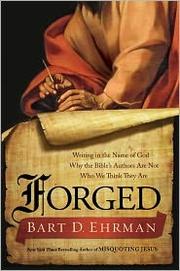 ForgedBart D. EhrmanAn investigative journey into the ancient world that unravels the hidden scandals behind the authorship of sacred texts.
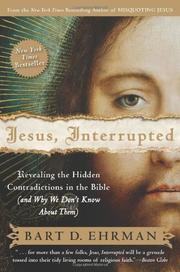 Jesus, InterruptedBart D. EhrmanA conversational, paradigm-shifting peek behind the curtain of biblical scholarship that systematically dismantles Sunday school certainties.
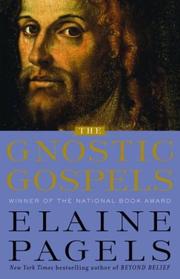 The gnostic GospelsElaine H. PagelsA luminous unearthing of buried spiritual histories that challenges the foundations of Western religious orthodoxy.
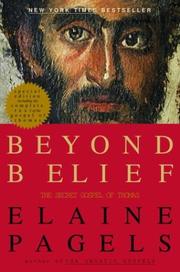 Beyond beliefElaine H. PagelsA poignant blend of memoir and historical detective work that unearths the lost spiritual possibilities of early Christianity.
 The Nag Hammadi LibraryJames McConkey RobinsonAn immersive dive into the varied, esoteric scriptures of ancient Gnosticism.
 The origin of SatanElaine PagelsA fascinating, sobering archaeological dig into the human psyche and the theological origins of 'us versus them'.