Books › Manufacturing engineering and technology

Manufacturing engineering and technology
First published 1989 · 1320 pages
A comprehensive, grounded exploration of the physical processes and materials that build the modern industrial world.
What it feels like
Reading this book feels like taking a guided tour through a massive, impeccably organized factory alongside a master engineer. The pace is steady and deliberate, demanding focus as it builds a dense architecture of technical knowledge. There is a distinct satisfaction in its pages, cultivating a grounded, industrious mood that appeals to the mechanically minded reader who wants to understand exactly how raw materials are transformed into complex products. The prose is authoritative and clear, stripping away fluff in favor of precise terminology, diagrams, and practical problem-solving. It is an academic yet deeply pragmatic experience, rewarding the dedicated student or professional with a profound sense of mastery over the physical processes that shape our modern technological landscape.
- Mood
- academic
- industrious
- structured
- focused
- Tone
- authoritative
- objective
- pragmatic
- instructional
- analytical
- Pace
- steady
- Themes
- material transformation · industrial problem-solving · precision and efficiency · technological evolution · practical application of science
- The writing
- Clear, highly structured, and technically dense, relying heavily on precise terminology, diagrams, and data.
- The arc
- Moves from foundational curiosity about how things are made to a satisfying sense of technical mastery and practical capability.
- Who it's for
- Engineering students, industrial designers, and manufacturing professionals who crave a comprehensive, reliable reference for how the physical world is built.
About the book
The authors describe time-tested and modern methods of manufacturing engineering in this fifth edition. Every chapter has been reviewed and updated, as have all the bibliographies. 30% of the problems cited are also new.
Description from Open Library.
Books like Manufacturing engineering and technology
See why they match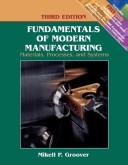 Fundamentals of Modern ManufacturingGrooverA highly structured, multimedia-enhanced exploration of the mechanics and materials behind how things are made.
 The science and engineering of materialsPaul Porgess and Ian BrownA rigorous, methodical exploration of the microscopic structures that dictate the strength and behavior of the physical world.
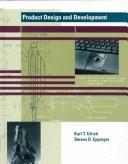 Product Design and DevelopmentKarl T. UlrichA structured, pragmatic guide that transforms the chaotic intersection of marketing, design, and manufacturing into a clear, collaborative methodology.
 Materials science and engineeringWilliam D. CallisterA methodical, illuminating journey into the microscopic architecture that dictates how the physical world holds together, bends, and breaks.
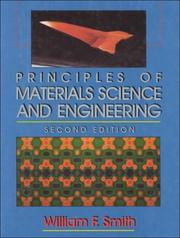 Principles of materials science and engineeringWilliam Fortune SmithA rigorous, foundational journey into the atomic and macroscopic properties that shape the physical structures of our world.
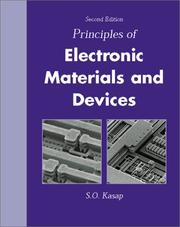 Principles of electronic materials and devicesS. O. KasapA rigorous, structured journey into the microscopic physics that power our modern electronic world.