Books › Mindstorms
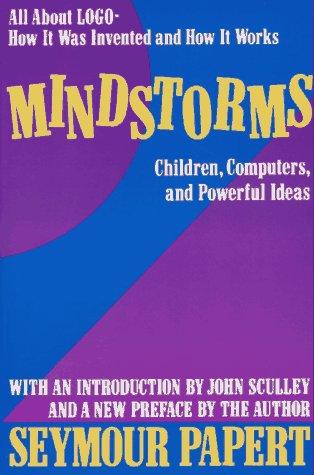
Mindstorms
First published 1980 · 304 pages
A visionary exploration of how technology can unlock the natural, joyful curiosity of the human mind.
What it feels like
Reading this book feels like stepping out of a rigid, fluorescent-lit classroom and into a boundless, sunlit playground of the mind. It is a deeply optimistic and intellectually thrilling experience that asks you to completely reimagine the relationship between humans, machines, and the act of learning. The prose is steady and philosophical, yet grounded in a profound respect for the natural curiosity of children. Instead of dry technical manuals, you are immersed in a visionary atmosphere where computers are not taskmasters, but expressive materials and objects to think with. It delights educators, technologists, and dreamers who are eager to dismantle rote memorization and replace it with a world where discovery is joyful, self-directed, and infinitely creative.
- Mood
- hopeful
- intellectually stimulating
- expansive
- Tone
- visionary
- optimistic
- earnest
- intellectual
- Pace
- steady
- Themes
- cognitive empowerment · the joy of discovery · rethinking education · human-machine symbiosis · play as learning
- The writing
- Clear, passionate, and deeply philosophical, blending academic rigor with accessible, humanistic anecdotes about how children think.
- The arc
- Transitions from a gentle frustration with traditional schooling into a soaring, deeply optimistic vision of empowered, self-directed discovery.
- Who it's for
- Educators, technologists, and curious minds who want to dismantle rigid learning structures and build environments where creativity thrives.
About the book
Describes learning environments which allow children to master mathematical concepts through the use of computer assisted instruction.
Description from Open Library.
Books like Mindstorms
See why they match Multiple intelligencesHoward E. GardnerAn intellectually expansive and deeply hopeful read that shatters the illusion of a single kind of smart.
 Integrating educational technology into teachingM. D. RoblyerA pragmatic, hands-on guide that transforms the daunting world of ed-tech into an accessible toolkit for modern teaching.
 The society of mindVoyager CompanyA playful, mind-bending puzzle box that dismantles the illusion of the self to reveal the hidden machinery of thought.
 Gödel, Escher, BachDouglas R. HofstadterA dizzying, playful labyrinth of logic, art, and music that fundamentally rewires how you think about thinking.
 How to solve itGeorge PolyaA patient, brilliant masterclass in untangling the knots of your own thinking.
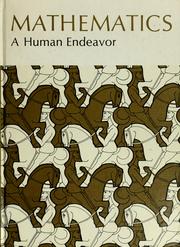 Mathematics, a human endeavourHarold R. JacobsA substantial, accessible journey into the world of mathematics, framed as a deeply human pursuit.