Books › Mood Machine
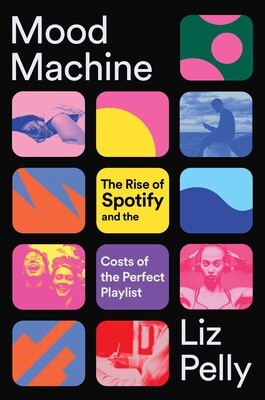
Mood Machine
The Rise of Spotify and the Costs of the Perfect Playlist
288 pages
An unsparing, deeply researched look behind the curtain of modern music consumption that will permanently alter how you hear your favorite playlists.
What it feels like
Reading this book feels like pulling back the sleek, algorithmic curtain of your daily soundtrack to reveal the complex, often inequitable machinery whirring beneath. The pacing is steady and methodical, driven by incisive cultural criticism and the weight of over a hundred insider interviews. It immerses the reader in a mood that is at once urgent and sobering, highlighting the hidden costs of convenience, from data mining to the financial struggles of working musicians. Yet, the narrative doesn't wallow in corporate dystopia; it arcs toward a genuine sense of hope, spotlighting the collective fight for a more sustainable artistic future. It is a must-read for culturally conscious music lovers ready to confront the reality of the modern record business.
- Mood
- eye-opening
- urgent
- thought-provoking
- sobering
- Tone
- unsparing
- incisive
- investigative
- critical
- hopeful
- Pace
- steady
- Themes
- the commodification of art · corporate consolidation · data and privacy · artist exploitation · collective resistance
- The writing
- Sharp, deeply researched, and analytical, blending journalistic rigor with incisive cultural critique.
- The arc
- Moves from a sobering realization of systemic inequities to a hopeful call for collective action and sustainable change.
- Who it's for
- Music lovers, industry professionals, and culturally conscious readers who want to understand the hidden mechanics behind their daily streaming habits.
Content notes
- corporate exploitation
- financial inequity
About the book
An unsparing investigation into Spotify’s origins and influence on music, weaving unprecedented reporting with incisive cultural criticism, illuminating how streaming is reshaping music for listeners and artists alike.
Drawing on over one hundred interviews with industry insiders, former Spotify employees, and musicians, Mood Machine takes us to the inner workings of today’s highly consolidated record business, showing what has changed as music has become increasingly playlisted, personalized, and autoplayed.
Building on her years of wide-ranging reporting on streaming, music journalist Liz Pelly details the consequences of the Spotify model by examining both sides of what the company calls its two-sided marketplace: the listeners who pay with their dollars and data, and the musicians who provide the material powering it all. The music business is notoriously opaque, but here Pelly lifts the veil on major stories like streaming services filling popular playlists with low-cost stock music and the rise of new payola-like practices.
For all of the inequities exacerbated by streaming, Pelly also finds hope in chronicling the artist-led fight for better models, pointing toward what must be done collectively to revalue music and create sustainable systems. A timely exploration of a company that has become synonymous with music, Mood Machine will change the way you think about and listen to music.
Description from Open Library.
Books like Mood Machine
See why they match The song machineJohn SeabrookA backstage pass into the hyper-engineered, psychologically manipulative, and endlessly fascinating factory of modern pop music.
 How Music WorksDavid ByrneAn expansive, deeply curious exploration of how physical spaces, technology, and human nature collaborate to create the sounds that move us.
 Love Is a Mix TapeRob SheffieldA bittersweet, mixtape-guided tour through the giddy highs of young love and the devastating lows of sudden loss.
 Dilla TimeDan CharnasA masterclass in rhythm and a bittersweet tribute to a quiet genius who rewired the heartbeat of modern music.
 How Music Got FreeStephen WittA cinematic, high-stakes deep dive into the underground subcultures and corporate hubris that accidentally broke the music industry.
 Perfecting Sound ForeverGreg MilnerA fascinating, century-spanning exploration of how technology has shaped the very nature of what we hear and believe to be real.