Books › Perfecting Sound Forever
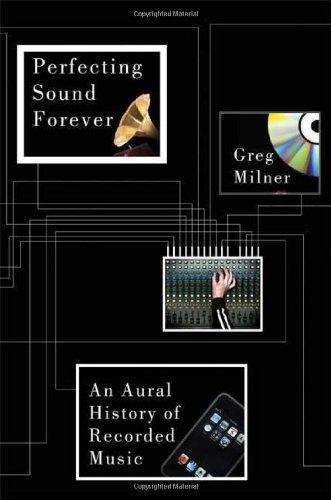
Perfecting Sound Forever
an aural history of recorded music
464 pages
A fascinating, century-spanning exploration of how technology has shaped the very nature of what we hear and believe to be real.
What it feels like
Reading this book feels like stepping into a century-long studio session where the definition of reality is constantly being rewritten. The pace is steady and inquisitive, guiding the reader through the fascinating tension between capturing a live moment and engineering an impossible illusion. The mood is deeply intellectual yet accessible, steeped in the crackle of vinyl and the pristine sheen of digital audio. The prose balances the technical science of sound with the psychological weight of how we perceive it, turning historical breakthroughs and format wars into a compelling narrative. It is a perfect fit for audiophiles, history enthusiasts, and anyone who has ever put on a pair of headphones and wondered how the music actually got there.
- Mood
- intellectual
- nostalgic
- curious
- Tone
- informative
- analytical
- inquisitive
- historical
- Pace
- steady
- Themes
- the illusion of reality · technological evolution · art versus science · the psychology of listening · authenticity in art
- The writing
- Clear, investigative, and deeply researched, balancing technical audio concepts with engaging historical anecdotes.
- The arc
- Moves from a sense of historical wonder at early innovations to a critical, thought-provoking examination of modern auditory manipulation.
- Who it's for
- Audiophiles, music history buffs, and anyone fascinated by the intersection of technology, psychology, and art.
About the book
In 1915, Thomas Edison proclaimed that he could record a live performance and reproduce it perfectly, shocking audiences who found themselves unable to tell whether what they were hearing was an Edison Diamond Disc or a flesh-and-blood musician. Today, the equation is reversed. Whereas Edison proposed that a real performance could be rebuilt with absolute perfection, Pro Tools and digital samplers now allow musicians and engineers to create the illusion of performances that never were. In between lies a century of sonic exploration into the balance between the real and the represented. Tracing the contours of this history, Greg Milner takes us through the major breakthroughs and glorious failures in the art and science of recording. An American soldier monitoring Nazi radio transmissions stumbles onto the open yet revolutionary secret of magnetic tape. Japanese and Dutch researchers build a first-generation digital audio format and watch as their "compact disc" is marketed by the music industry as the second coming of Edison yet derided as heretical by analog loyalists. The music world becomes addicted to volume in the nineties and fights a self-defeating "loudness war" to get its fix. From Les Paul to Phil Spector to King Tubby, from vinyl to pirated CDs to iPods, Milner pulls apart musical history to answer a crucial question: Should a recording document reality as faithfully as possible, or should it improve upon or somehow transcend the music it records? The answers he uncovers will change the very way we think about music [Publisher description]
Description from Open Library.
Books like Perfecting Sound Forever
See why they match The song machineJohn SeabrookA backstage pass into the hyper-engineered, psychologically manipulative, and endlessly fascinating factory of modern pop music.
 How Music WorksDavid ByrneAn expansive, deeply curious exploration of how physical spaces, technology, and human nature collaborate to create the sounds that move us.
 How Music Got FreeStephen WittA cinematic, high-stakes deep dive into the underground subcultures and corporate hubris that accidentally broke the music industry.
 Mood MachineLiz PellyAn unsparing, deeply researched look behind the curtain of modern music consumption that will permanently alter how you hear your favorite playlists.
 This Is Your Brain on MusicDaniel J. LevitinA backstage pass to the neuroscience of your favorite playlist, revealing why a simple melody can make you weep or dance.
 The Idea FactoryJon GertnerA nostalgic and intellectually thrilling journey into the mid-century crucible where the modern world was quietly invented.