Books › Neurotribes

Neurotribes
The Legacy Of Autism And The Future Of Neurodiversity
560 pages
A sweeping, deeply compassionate history that fundamentally reshapes how we understand human cognition and the spectrum of the mind.
What it feels like
Reading this book feels like watching a massive, complex puzzle finally snap into place. It is a steady, deeply immersive journey through the hidden history of human cognition, blending rigorous investigative journalism with profound empathy. The narrative guides you through sobering, often enraging chapters of medical malpractice, eugenics, and institutionalization, but it never loses its core of profound compassion. Instead of clinical detachment, the prose is warm and character-driven, centering the lived experiences of neurodivergent individuals and their families. As the historical shadows give way to the modern neurodiversity movement, the mood shifts from heavy and sorrowful to expansive and deeply hopeful. It is a paradigm-shifting read that will delight fans of sweeping narrative nonfiction who want to emerge with a fundamentally altered view of humanity.
- Mood
- illuminating
- sobering
- expansive
- hopeful
- Tone
- empathetic
- investigative
- authoritative
- compassionate
- righteous
- Pace
- steady
- Themes
- the spectrum of human cognition · historical erasure and rediscovery · shifting paradigms of disability · the power of neurodivergent communities · medical ethics and malpractice
- The writing
- Richly detailed and narrative-driven, blending rigorous journalistic research with deeply intimate, character-focused storytelling.
- The arc
- Journeys through a dark and often enraging history of medical misunderstanding before arriving at an uplifting, empowering vision of acceptance and cognitive diversity.
- Who it's for
- Readers who devour sweeping, paradigm-shifting medical histories and deeply empathetic social science.
Content notes
- ableism
- eugenics
- medical abuse
- institutionalization
- Holocaust and Nazi history
About the book
What is autism? A lifelong disability, or a naturally occurring form of cognitive difference akin to certain forms of genius? In truth, it is all of these things and more—and the future of our society depends on our understanding it. WIRED reporter Steve Silberman unearths the secret history of autism, long suppressed by the same clinicians who became famous for discovering it, and finds surprising answers to the crucial question of why the number of diagnoses has soared in recent years.
Going back to the earliest days of autism research and chronicling the brave and lonely journey of autistic people and their families through the decades, Silberman provides long-sought solutions to the autism puzzle, while mapping out a path for our society toward a more humane world in which people with learning differences and those who love them have access to the resources they need to live happier, healthier, more secure, and more meaningful lives.
Along the way, he reveals the untold story of Hans Asperger, the father of Asperger’s syndrome, whose “little professors” were targeted by the darkest social-engineering experiment in human history; exposes the covert campaign by child psychiatrist Leo Kanner to suppress knowledge of the autism spectrum for fifty years; and casts light on the growing movement of "neurodiversity" activists seeking respect, support, technological innovation, accommodations in the workplace and in education, and the right to self-determination for those with cognitive differences.
Description from Open Library.
Books like Neurotribes
See why they match The Autistic BrainTemple Grandin and Richard PanekA deeply personal and scientifically grounded tour of neurodiversity that reframes how we understand different kinds of minds.
 Thinking in PicturesTemple GrandinAn illuminating and deeply personal journey into a mind that processes the world through concrete imagery rather than abstract words.
 BehaveRobert M. SapolskyA witty, mind-expanding journey backward through time to uncover the biological and environmental roots of our greatest triumphs and darkest impulses.
 QuietSusan CainA deeply validating exploration that gives you permission to stop pretending and embrace the quiet power of your own mind.
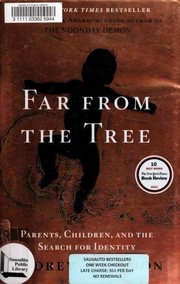 Far From the TreeAndrew SolomonA monumental, deeply empathetic exploration of how families navigate profound differences, ultimately revealing the radical power of unconditional love.
 How we learnBenedict CareyA reassuring, science-backed permission slip to stop cramming and start letting your brain learn the way it actually wants to.