Books › Notes on the synthesis of form

Notes on the synthesis of form
216 pages
A deeply analytical and philosophical exploration of how design and aesthetics shape the structures around us.
What it feels like
Reading this book feels like stepping into a quiet, well-lit drafting room where the fundamental rules of the physical world are being carefully decoded. It offers a steady, highly intellectual experience that asks the reader to slow down and engage deeply with the philosophy of aesthetics and urban organization. The prose is precise and academic, heavily supported by extensive references, creating an atmosphere of rigorous contemplation rather than casual reading. It is a deeply abstract journey that builds a structured understanding of how design functions on a foundational level. This is a text meant for thinkers, planners, and anyone fascinated by the invisible philosophical frameworks that dictate the shape, form, and synthesis of the environments we inhabit.
- Mood
- contemplative
- intellectual
- abstract
- structured
- Tone
- analytical
- philosophical
- academic
- serious
- Pace
- steady
- Themes
- the philosophy of aesthetics · structural design · urban organization · the nature of form
- The writing
- Precise, academic, and heavily referenced, focusing on clarity and theoretical rigor.
- The arc
- A cerebral journey that moves from abstract philosophical questioning to a grounded, structured understanding of design.
- Who it's for
- Thinkers, urban planners, and designers who crave a deep, philosophical approach to aesthetics and structural form.
Books like Notes on the synthesis of form
See why they match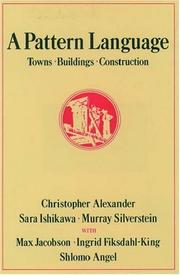 A pattern languageChristopher AlexanderA philosophical and practical field guide to building spaces that feel deeply, fundamentally alive.
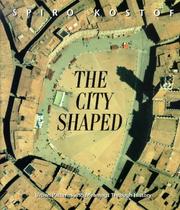 The city shapedSpiro KostofA sweeping, deeply observant journey that transforms the chaotic sprawl of human settlements into a readable, fascinating historical map.
 The Timeless Way of BuildingChristopher AlexanderA meditative journey into the soul of architecture that reveals how spaces can feel as natural and alive as the people who inhabit them.
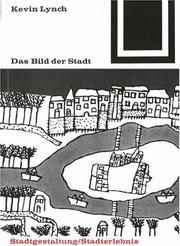 The Image of the CityKevin LynchA perspective-shifting lens that transforms the chaotic modern metropolis into a readable, deeply human map of memories and landmarks.
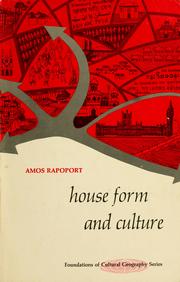 House form and cultureAmos RapoportA fascinating, grounded exploration of how our deepest cultural values physically manifest in the spaces we call home.
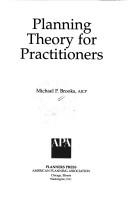 Planning theory for practitionersMichael P. BrooksA grounded, pragmatic guide that bridges the gap between lofty academic ideals and the messy realities of city planning.