Books › Passing

Passing
First published 1929 · 546 pages
A taut, elegant psychological thriller of manners where the performance of identity becomes a matter of life and death.
What it feels like
Reading this novel feels like watching a crack slowly spread across a flawless porcelain teacup. It is an elegant, tightly coiled psychological study steeped in the atmosphere of the Harlem Renaissance, yet its exploration of identity, obsession, and repressed desire feels startlingly modern. The prose is as restrained and carefully manicured as its protagonist, masking a simmering undercurrent of paranoia and claustrophobia that builds with every page. You are pulled into a suffocatingly intimate dynamic between two women, where every glance and polite conversation is loaded with dangerous ambiguity. It is a brilliant, unsettling read for those who love character-driven stories where the greatest threats lie not in the outside world, but within the fragile constructs of the self.
- Mood
- claustrophobic
- tense
- elegant
- uneasy
- simmering
- Tone
- restrained
- observant
- anxious
- sophisticated
- ambiguous
- Pace
- steady
- Themes
- performance of identity · repressed desire · fragility of social standing · psychological projection · burden of respectability
- The writing
- Elegant, precise, and tightly controlled, mirroring the protagonist's desperate need to maintain appearances.
- The arc
- Begins in comfortable but fragile stability, spirals into obsessive anxiety and paranoia, and shatters in a sudden, ambiguous tragedy.
- Who it's for
- Readers who love intense psychological character studies, ambiguous relationships, and classic literature that dissects social constructs with surgical precision.
Content notes
- racism
- racial slurs
- death
- implied infidelity
About the book
First published to critical acclaim in 1929, Passing firmly established Nella Larsen's prominence among women writers of the Harlem Renaissance.
Irene Redfield, the novel's protagonist, is a woman with an enviable life. She and her husband, Brian, a prominent physician, share a comfortable Harlem town house with their sons. Her work arranging charity balls that gather Harlem's elite creates a sense of purpose and respectability for Irene. But her hold on this world begins to slip the day she encounters Clare Kendry, a childhood friend with whom she had lost touch. Clare—light-skinned, beautiful, and charming—tells Irene how, after her father's death, she left behind the black neighborhood of her adolescence and began passing for white, hiding her true identity from everyone, including her racist husband. As Clare begins inserting herself into Irene's life, Irene is thrown into a panic, terrified of the consequences of Clare's dangerous behavior. And when Clare witnesses the vibrancy and energy of the community she left behind, her burning desire to come back threatens to shatter her careful deception.
Description from Open Library.
Books like Passing
See why they match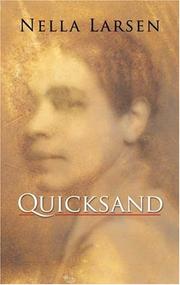 QuicksandNella LarsenA restless, elegant exploration of a woman caught between worlds, searching for a home she can never quite find.
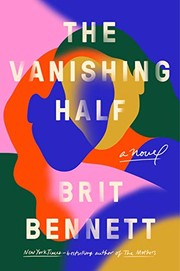 The Vanishing HalfBrit BennettA sweeping, deeply empathetic family saga about the heavy, echoing cost of the secrets we choose to live inside.
 Their Eyes Were Watching GodZora Neale HurstonA lush, sun-drenched journey of a woman shedding societal expectations to find her own voice and authentic love.
 Tar BabyToni MorrisonA lush, mythic collision of desire and ideology that burns with the intensity of a tropical storm.
 JazzToni MorrisonA syncopated, intoxicating plunge into the vibrant chaos of 1920s Harlem and the haunting echoes of the past.
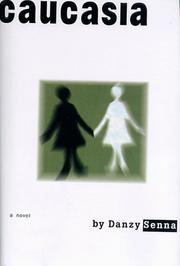 CaucasiaDanzy SennaA tense and tender exploration of a fractured family, where a young girl must navigate the isolating spaces between racial identities and hidden pasts.