Books › Red China blues

Red China blues
First published 1996 · 416 pages
A candid, self-deprecating memoir that traces the turbulent arc from fervent political idealism to sobering journalistic reality.
What it feels like
Reading this memoir feels like sitting down with a deeply observant, wryly self-aware witness to history. The narrative unfolds at a steady pace, carrying the reader through decades of massive societal upheaval and personal transformation. It balances the turbulent, sobering mood of witnessing political violence and extreme ideological shifts with a remarkably candid, self-deprecating tone. The prose is clear and expansive, painting a broad picture of a changing nation while never losing sight of the author's own astonishing journey from naive idealism to journalistic disillusionment. It is a compelling experience for anyone drawn to memoirs that explore the messy intersection of cultural identity, fervent belief, and the stark realities of historical change.
- Mood
- turbulent
- sobering
- reflective
- Tone
- wry
- observant
- reflective
- self-deprecating
- candid
- Pace
- steady
- Themes
- ideological disillusionment · witnessing history · cultural identity · societal transformation · idealism versus reality
- The writing
- Clear and expansive, balancing sharp journalistic observation with a healthy dose of wry self-mockery.
- The arc
- The journey shifts from fervent, naive idealism to a sobering, self-aware reflection on historical trauma and societal upheaval.
- Who it's for
- Readers who appreciate candid memoirs that blend personal coming-of-age with frontline observations of sweeping political history.
Content notes
- political violence
- massacre
- authoritarianism
About the book
De schrijfster werd geboren in Canada als dochter van welgestelde Chinese ouders en groeide Engelstalig op. In 1972 vertrok ze als overtuigend maoïste naar China, waar ze tijdens de Culturele Revolutie (1966-1978) een van de twee eerste buitenlandse studentes was op Peking Universiteit. Ze bleef in de Volksrepubliek tot 1980. In 1988 keerde ze naar Peking terug als correspondente van de Globe and Mail uit Toronto en in 1989 was ze vanaf een balkon van het Peking hotel getuige van het bloedblad op het Plein van de Hemelse Vrede. In 1994 keerde ze terug naar Canada. In de eerste helft van het boek ziet ze met verbazing terug op haar studentenleven en op haar toenmalige onwankelbare geloof in het communisme ondanks alle bizarre omstandigheden. Het tweede gedeelte van het boek is gewijd aan de beschrijving van de studentenbeweging van 1989 en aan de politieke, sociale en economische ontwikkelingen van de jaren negentig. De schrijfster schetst een helder breed beeld van de geweldige veranderingen in de Chinese maatschappij, van extreem egalitarisme en hartstochtelijk maoïsme naar kapitalische concurrentie en communistische corruptie, en ze verlevendigt haar relaas met een gezonde dosis zelfspot.
Description from Open Library.
Books like Red China blues
See why they match Red AzaleaAnchee MinA candid and beautifully written memoir of finding forbidden love and emotional survival amidst the oppressive fear of the Cultural Revolution.
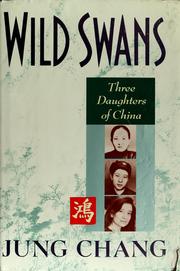 Wild SwansJung ChangA sweeping, deeply personal epic that captures the crushing weight of history and the unbreakable endurance of the women who survive it.
 Red Scarf GirlJi-li JiangA poignant, clear-eyed journey through the shattering of childhood idealism amidst sweeping historical turmoil.
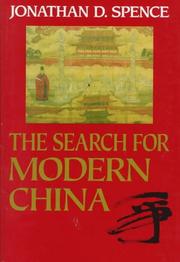 The search for modern ChinaJonathan D. SpenceA sweeping, masterful tapestry of a nation's turbulent journey from imperial grandeur to modern complexity.
 MaoJon HallidayA relentless, chilling dismantling of a historical titan that exposes the staggering human cost of absolute power.
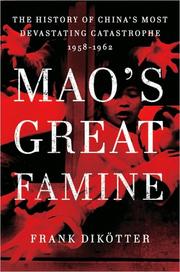 Mao's great famineFrank DikötterA meticulously documented descent into one of history's darkest chapters, where bureaucratic hubris meets unimaginable human suffering.