Books › Mao's great famine

Mao's great famine
448 pages
A meticulously documented descent into one of history's darkest chapters, where bureaucratic hubris meets unimaginable human suffering.
What it feels like
Reading this book is a harrowing but necessary descent into the mechanics of a man-made apocalypse. The pacing is steady and relentless, driven by an avalanche of newly uncovered archival evidence that builds a devastating, undeniable picture of systemic cruelty. The mood is overwhelmingly bleak and dread-soaked, as the narrative shifts between the cold, ideological hubris of high-level party meetings and the visceral, agonizing reality of the starving countryside. The prose is authoritative and unflinching; the author refuses to look away, yet avoids sensationalism, letting the sheer scale of the tragedy speak for itself. It is a profoundly heavy, emotionally taxing experience, tailored for readers of rigorous, investigative history who seek to understand the darkest extremes of totalitarianism.
- Mood
- harrowing
- bleak
- oppressive
- somber
- Tone
- unflinching
- authoritative
- devastating
- scholarly
- Pace
- steady
- Themes
- human cost of ideology · bureaucratic indifference · systemic cruelty · historical memory · totalitarianism
- The writing
- Clear, meticulously documented, and unsparingly direct, letting the horrific facts speak for themselves without need for sensationalism.
- The arc
- Moves from grim anticipation of a flawed policy to overwhelming horror at the scale of human suffering, ending in a sobering reflection on historical truth.
- Who it's for
- Readers of deep, investigative history who want to understand the mechanics of totalitarianism and are prepared for a heavy, emotionally taxing read.
Content notes
- mass starvation
- graphic violence
- child death
- cannibalism
- torture
- extreme poverty
About the book
""Between 1958 and 1962, China descended into hell. Mao Zedong threw his country into a frenzy with the Great Leap Forward, an attempt to catch up with and overtake Britain in less than fifteen years. The experiment ended in the greatest catastrophe the country had ever known, destroying tens of millions of lives." So opens Frank Dikotter's astonishing, riveting, magnificently detailed chronicle of an era in Chinese history much speculated about but never before fully documented because access to Communist Party archives has long been restricted to all but the most trusted historians. However, a new archive law has opened up thousands of central and provincial documents that "fundamentally change the way one can study the Maoist era."" "Dikotter makes clear, as nobody has before, that far from being the program that would lift the country among the world's superpowers and prove the power of communism, as Mao imagined, the Great Leap Forward propelled the country in the other direction. It became not only one of the most deadly mass killings in human history--at least 45 million people were worked, starved, or beaten to death--but also the greatest demolition of real estate in history, as up to one third of all housing was turned into rubble. The experiment was a catastrophe for the natural world as well, as the land was savaged in the maniacal pursuit of steel and other industrial accomplishments." "In a powerful meshing of exhaustive research in Chinese archives and narrative drive, Dikotter for the first time links up what happened in the corridors of power--the vicious backstabbing and bullying tactics that took place among party leaders--with the everyday experiences of ordinary people, giving voice to the dead and disenfranchised. His magisterial account recasts the history of the People's Republic of China.
Source title: Mao's Great Famine: The History of China's Most Devastating Catastrophe, 1958-1962
Description from Open Library.
Books like Mao's great famine
See why they match MaoJon HallidayA relentless, chilling dismantling of a historical titan that exposes the staggering human cost of absolute power.
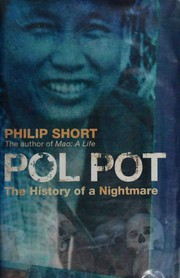 Pol PotPhilip ShortA chilling, masterfully researched descent into the mind of a dictator and the terrifying mutation of utopian ideals into national devastation.
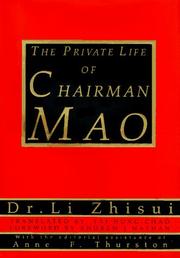 The private life of Chairman MaoLi ZhisuiA claustrophobic, fly-on-the-wall descent into the paranoid and decadent inner sanctum of absolute power.
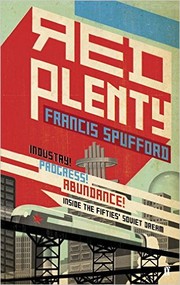 Red PlentyFrancis SpuffordA brilliant, tragicomic exploration of a doomed utopia, where the magic of mathematics collides with the messy reality of human nature.
 The PartyRichard McGregorAn analytical and eye-opening deep dive into the secretive machinery behind a global superpower.
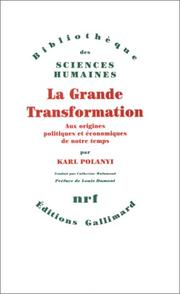 The Great TransformationKarl PolanyiA sweeping, intellectually rigorous dismantling of the free-market myth that fundamentally changes how you view the relationship between society and the economy.