Books › The search for modern China

The search for modern China
First published 1990 · 1063 pages
A sweeping, masterful tapestry of a nation's turbulent journey from imperial grandeur to modern complexity.
What it feels like
Reading this monumental history feels less like studying a textbook and more like being swept up in a multi-generational epic. The narrative moves with a steady, majestic rhythm, carrying you through centuries of imperial splendor, devastating rebellions, and ideological upheavals. The prose is elegant and deeply humanistic, anchoring grand geopolitical shifts in the lived experiences of emperors, scholars, and peasants alike. There is a profound sense of turbulence and resilience that permeates the atmosphere, leaving you awestruck by the sheer scale of cultural transformation. It is a deeply immersive experience designed for readers who crave authoritative, narrative-driven history that breathes life into the past, offering a contemplative and richly textured journey through the birth of a modern superpower.
- Mood
- sweeping
- turbulent
- contemplative
- immersive
- grand
- Tone
- authoritative
- empathetic
- scholarly
- narrative
- measured
- Pace
- steady
- Themes
- the weight of history · cultural resilience · collision of tradition and modernity · human cost of revolution · cyclical power
- The writing
- Elegant and narrative-driven, seamlessly weaving intimate biographical sketches into vast geopolitical tapestries.
- The arc
- Moves from the awe of imperial grandeur through the harrowing chaos of revolution, settling into a contemplative understanding of modern complexity.
- Who it's for
- Readers who devour sweeping, character-rich historical epics and want to deeply understand the roots of contemporary global powers.
Content notes
- war
- political violence
- famine
- mass casualties
- execution
About the book
This book is the second edition of the author's history of modern China. The new discussions in this revision include the extension of imperial power into central Asia by the eighteenth century emperors, women's literacy and education in the Qing, the early development of Chinese nationalism, the roots of Chinese communism and alternatives to Mao, the early stages of the Great Leap Forward and of the Cultural Revolution. Also, there is a new chapter at the end of the book on economic, cultural, and political developments since 1989.
Description from Open Library.
Books like The search for modern China
See why they match The Rise of Modern ChinaHsu, Immanuel C. Y.A sweeping, authoritative journey through centuries of imperial decline, revolution, and the painful birth of a modern superpower.
 Mao's great famineFrank DikötterA meticulously documented descent into one of history's darkest chapters, where bureaucratic hubris meets unimaginable human suffering.
 MaoJon HallidayA relentless, chilling dismantling of a historical titan that exposes the staggering human cost of absolute power.
 The question of HuJonathan D. SpenceA tragic historical journey of faith and displacement that ends in the disorienting isolation of an asylum.
 The Making of Modern JapanMarius B. JansenA sweeping, thoughtful exploration of how a nation absorbs profound change while remaining remarkably true to its core identity.
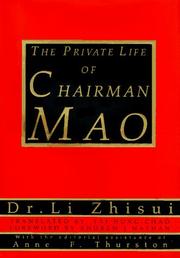 The private life of Chairman MaoLi ZhisuiA claustrophobic, fly-on-the-wall descent into the paranoid and decadent inner sanctum of absolute power.