Books › Roads to Freedom

Roads to Freedom
266 pages
A lucid, idealistic blueprint for a more equitable society that balances intellectual rigor with a deep yearning for human flourishing.
What it feels like
Reading this book feels like sitting in a quiet, sunlit study with a brilliant, deeply humane mentor who genuinely believes the world can be better. The pace is steady and methodical, guiding you through complex political philosophies without ever getting bogged down in impenetrable jargon. Instead, the prose is remarkably lucid, marked by a calm, rational elegance that makes radical ideas feel both accessible and inevitable. The mood is fundamentally hopeful, though tempered by a serious, clear-eyed acknowledgment of human suffering and systemic cruelty. It is a deeply contemplative experience, perfect for idealistic thinkers and armchair philosophers who want to engage with a vision of societal transformation that champions both individual liberty and collective well-being.
- Mood
- contemplative
- hopeful
- intellectual
- serious
- Tone
- analytical
- earnest
- idealistic
- measured
- persuasive
- Pace
- steady
- Themes
- utopian visions · societal transformation · liberty and community · human potential · critique of capitalism
- The writing
- Lucid, rational, and elegantly structured, prioritizing persuasive clarity over dense academic jargon.
- The arc
- Moves from a sober, clear-eyed critique of societal suffering to a cautiously optimistic vision of human flourishing.
- Who it's for
- Idealistic thinkers and political history buffs who crave logical, accessible explorations of how society might be radically reorganized for the better.
Content notes
- systemic inequality
- poverty
- discussions of war
About the book
THE attempt to conceive imaginatively a better ordering of human society than the destructive and cruel chaos in which mankind has hitherto existed is by no means modern: it is at least as old as Plato, whose ``Republic'' set the model for the Utopias of subsequent philosophers. Whoever contemplates the world in the light of an ideal - whether what he seeks be intellect, or art, or love, or simple happiness, or all together - must feel a great sorrow in the evils that men needlessly allow to continue, and - if he be a man of force and vital energy - an urgent desire to lead men to the realization of the good which inspires his creative vision.
Description from Open Library.
Books like Roads to Freedom
See why they match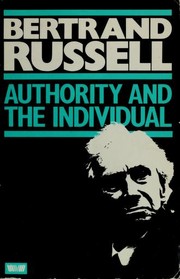 Authority and the IndividualBertrand RussellA lucid, conversational exploration of the eternal tug-of-war between societal order and human freedom.
 A History of Western PhilosophyBertrand RussellA sweeping, witty, and highly opinionated journey through the minds that shaped Western civilization.
 On AnarchismNoam ChomskyA sharp, accessible, and surprisingly optimistic exploration of anti-authoritarian thought that challenges readers to rethink the structures of power.
 The Ecology of FreedomMurray BookchinA sweeping, interdisciplinary manifesto that traces the roots of human domination and charts a visionary path toward ecological liberation.
 The Soul of Man Under SocialismOscar WildeA sparkling, paradoxical essay that dismantles the nobility of suffering and dreams of a world where art and leisure belong to everyone.
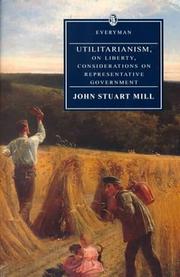 UtilitarianismJohn Stuart MillA rigorous, foundational exploration of what it means to live a good life and build a just society based on the maximization of human happiness.